Skip to content
Menu
Menu

Justice restored:How the Court of Appeal rebuked KNUST’s Institutional Overreach

Article By Michael Ofosu-Afriyie, Kumasi.

In a landmark victory for academic due process, the Court of Appeal has delivered a stinging rebuke to the administration of the Kwame Nkrumah University of Science and Technology (KNUST), overturning a High Court ruling that had previously validated a flawed internal investigation into Professor Rexford Assasie Oppong.

The unanimous decision, led by Justice Patrick Kwamina Baiden, does more than just clear a man’s name—it serves as a warning to academic institutions that internal disciplinary “fact-finding” cannot bypass the fundamental right to a fair trial.

Illusion of Due Process:
The saga began in 2023 when Prof. Assasie, then Head of the Department of Architecture, found himself in the crosshairs of allegations involving fee collection and student graduation delays.


tntnewspapergh.com


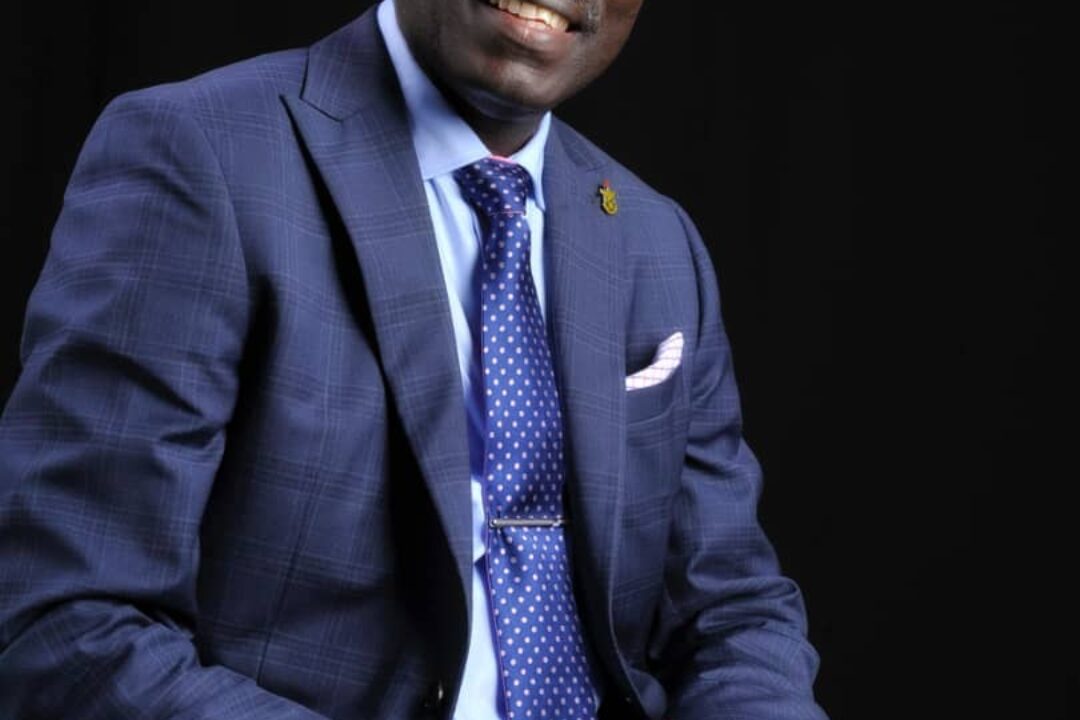
Professor Rexford Assasie Oppong
Full Professor of Architecture, Former Dean of International Programmes Office, Former Head of Department and immediate-past Professorial Member of Governing Council all of KNUST


While the university was quick to form a committee under Professor Samuel Ampadu, the appellate court found that the “search for truth” was fundamentally broken from the start.


Key procedural failures highlighted by the court included:

Late Invitations:
Prof. Assasie was only brought into the fold after the narrative had already been shaped.

Silenced Defense:
In a move that undermined the principles of natural justice, the Professor was denied the right to cross-examine his accusers.

Ignored Counter-Claims:
Serious allegations raised by Prof. Assasie regarding unauthorized classes and extortion by his accusers were seemingly sidelined in the rush to judgment.

“Unexplained Swiftness” vs. The Rule of Law:
Perhaps the most jarring aspect of the case was the role of the University leadership.

Vice-Chancellor Prof. Rita Akosua Dickson was noted for acting with “unexplained swiftness” in demanding an apology from Prof. Assasie based on the committee’s findings, something that has now been declared legally hollow.

While a lower High Court initially took a “hands-off” approach, ruling that the university had the right to govern itself, the Court of Appeal took a more rigorous view.

On February 12, 2026, the appellate judges ruled that neither the Vice-Chancellor nor the Registrar had the legal authority to compel an apology based on a process riddled with procedural breaches.

Clean Slate:
The court’s order is absolute.

KNUST is now mandated to:

Expunge all records suggesting the allegations against Prof. Assasie were substantiated.

Nullify the previous findings of impropriety.

Restore the professional standing of the Professor within the university’s official archives.

“This judgment effectively signals the end of ‘kangaroo court’ dynamics within administrative bodies. You cannot use the veil of a ‘fact-finding committee’ to circumvent the constitutional right to a fair hearing.”


Justice restored:How the Court of Appeal rebuked KNUST’s Institutional Overreach

Article By Michael Ofosu-Afriyie, Kumasi.

In a landmark victory for academic due process, the Court of Appeal has delivered a stinging rebuke to the administration of the Kwame Nkrumah University of Science and Technology (KNUST), overturning a High Court ruling that had previously validated a flawed internal investigation into Professor Rexford Assasie Oppong.

The unanimous decision, led by Justice Patrick Kwamina Baiden, does more than just clear a man’s name—it serves as a warning to academic institutions that internal disciplinary “fact-finding” cannot bypass the fundamental right to a fair trial.

Illusion of Due Process:
The saga began in 2023 when Prof. Assasie, then Head of the Department of Architecture, found himself in the crosshairs of allegations involving fee collection and student graduation delays.


tntnewspapergh.com


Professor Rexford Assasie Oppong
Full Professor of Architecture, Former Dean of International Programmes Office, Former Head of Department and immediate-past Professorial Member of Governing Council all of KNUST


While the university was quick to form a committee under Professor Samuel Ampadu, the appellate court found that the “search for truth” was fundamentally broken from the start.


Key procedural failures highlighted by the court included:

Late Invitations:
Prof. Assasie was only brought into the fold after the narrative had already been shaped.

Silenced Defense:
In a move that undermined the principles of natural justice, the Professor was denied the right to cross-examine his accusers.

Ignored Counter-Claims:
Serious allegations raised by Prof. Assasie regarding unauthorized classes and extortion by his accusers were seemingly sidelined in the rush to judgment.

“Unexplained Swiftness” vs. The Rule of Law:
Perhaps the most jarring aspect of the case was the role of the University leadership.

Vice-Chancellor Prof. Rita Akosua Dickson was noted for acting with “unexplained swiftness” in demanding an apology from Prof. Assasie based on the committee’s findings, something that has now been declared legally hollow.

While a lower High Court initially took a “hands-off” approach, ruling that the university had the right to govern itself, the Court of Appeal took a more rigorous view.

On February 12, 2026, the appellate judges ruled that neither the Vice-Chancellor nor the Registrar had the legal authority to compel an apology based on a process riddled with procedural breaches.

Clean Slate:
The court’s order is absolute.

KNUST is now mandated to:

Expunge all records suggesting the allegations against Prof. Assasie were substantiated.

Nullify the previous findings of impropriety.

Restore the professional standing of the Professor within the university’s official archives.

“This judgment effectively signals the end of ‘kangaroo court’ dynamics within administrative bodies. You cannot use the veil of a ‘fact-finding committee’ to circumvent the constitutional right to a fair hearing.”




Related Stories
Popular Stories