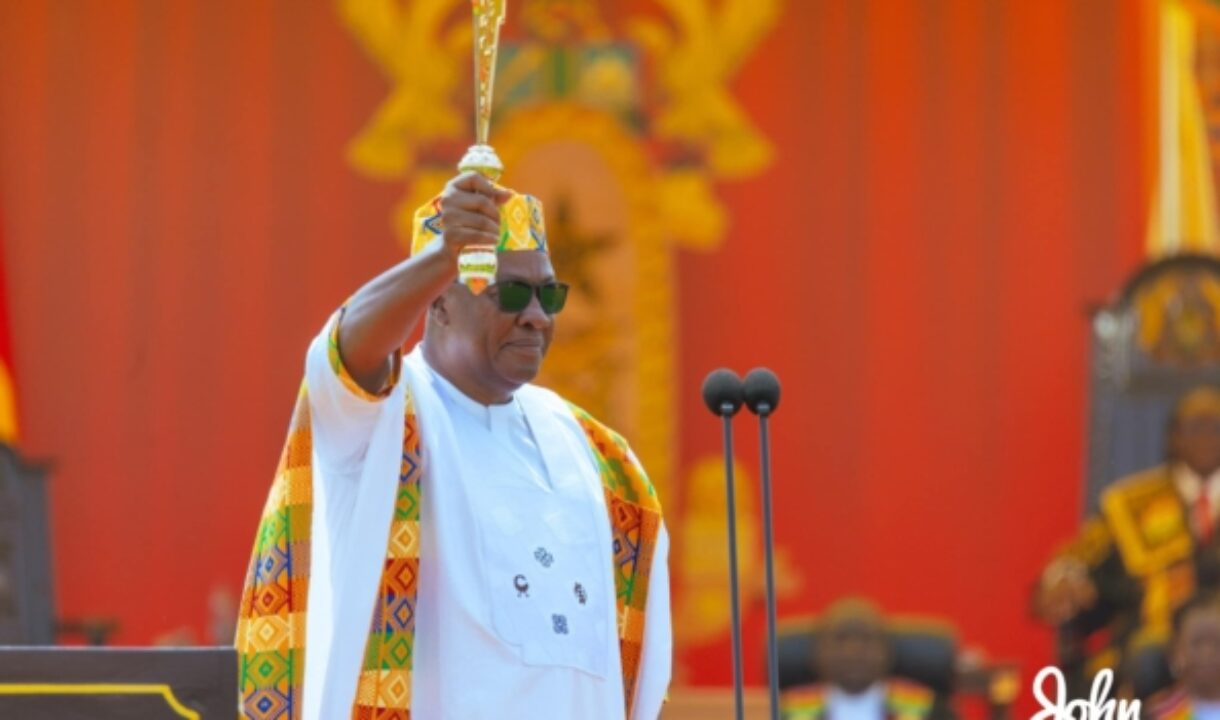
Ghana’s economy appears to have turned a corner in the first year of President John Dramani Mahama’s administration, following a period of elevated inflation, high borrowing costs and subdued growth.
Figures from the Ministry of Finance show that the economy expanded by 6.1 percent in the first three quarters of 2025, up from 5.7 percent over the same period in 2024, marking the fastest pace of growth since 2019.
Growth outside the oil sector — where most jobs are created — was even stronger, with non-oil GDP rising by 7.5 percent
A key highlight of the first year was the sharp decline in inflation. Headline inflation fell from 23.8 percent at the end of December 2024 to 6.3 percent by November 2025, its lowest level in nearly six years. Food and non-food inflation both eased significantly, helping reduce pressure on household budgets.


The disinflation has fed into the money market, easing financing conditions. Treasury bill rates dropped from over 30 percent at the end of 2024 to about 11 percent, sharply reducing government borrowing costs and improving liquidity conditions in the financial system.
On the forex front, the Ghana cedi recorded its strongest annual performance in years, appreciating against all major trading currencies. As at December 31, 2025, the cedi had gained 40.7 percent against the US dollar, 30.9 percent against the British pound, and 24 percent against the euro.
The country’s external payment position also remained robust in the first 10 months of 2025. The trade balance recorded a surplus of 8.5 billion dollars by the end of October, supported by improved export earnings and tighter import controls.
Gross International Reserves stood at 11.41 billion dollars at the end of October 2025, providing 4.8 months of import cover, further strengthening external buffers.

Reflecting these improvements, all three major international rating agencies — Fitch, Moody’s and S&P — upgraded Ghana’s credit ratings, citing stronger fiscal consolidation and improving macroeconomic stability.Taken together, these indicators suggest that the Mahama administration’s first year was largely defined by stabilisation — restoring price stability, strengthening the currency, improving external buffers and supporting economic growth. Source:Emmanuel Oppong