Skip to content
Menu
Menu

We’ve have not been paid since November last year – Ghana’s cocoa farmers cry out

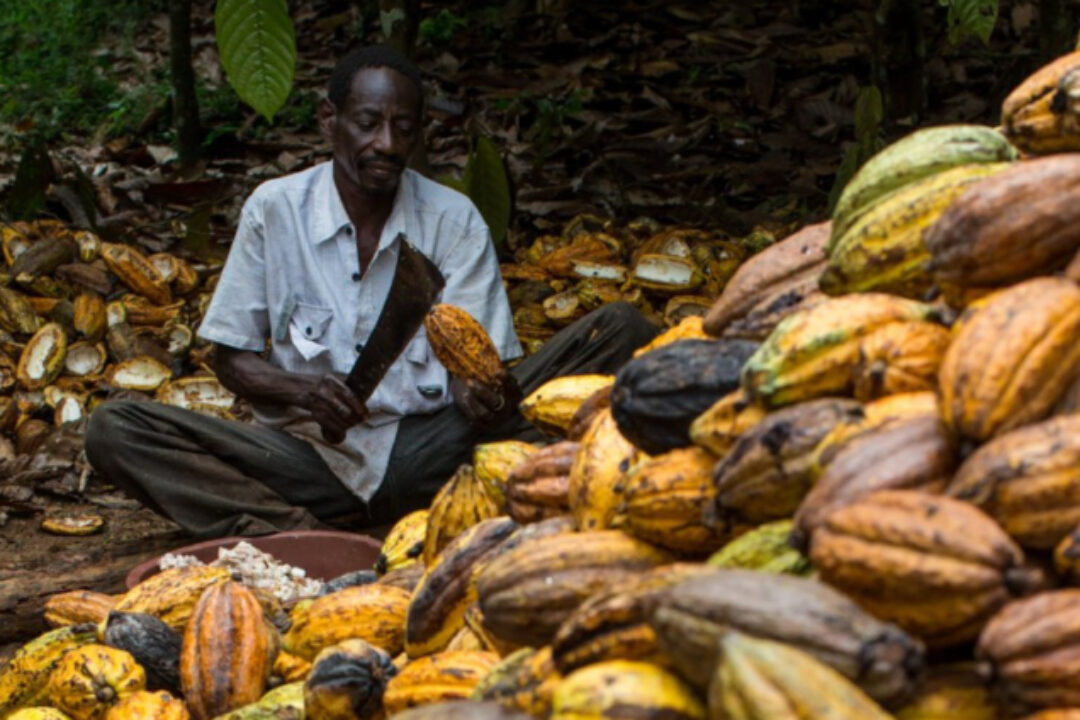
Some cocoa farmers in Ghana say they have not received payment for beans sold since November 2025, leaving many struggling to meet basic daily expenses.

Farmers who spoke to JoyNews Research from different cocoa-producing regions confirmed that payments for cocoa delivered several months ago remain outstanding, despite repeated assurances from the Ghana Cocoa Board, COCOBOD.

“We are yet to receive payment for beans sold since November last year. This is the first time I have experienced such a long delay,” one farmer told the JoyNews Research team.


tntnewspapergh.com


Another farmer lamented that some licensed buying companies that they sold their produce to have stopped responding to calls. “Some of the buyers have switched off their phones, and we have no clear information on when payments will be made,” he said.

In October last year, Ghana set its farmgate price at 58,000 Ghana cedi per metric tonne, equivalent to about $4,640, representing a 12 percent increase. However, available data show international cocoa prices are currently trading at around $4,700 per tonne, narrowing margins and complicating COCOBOD’s ability to meet payment obligations, particularly under the revised pre-financing structure.

The restructured system, introduced for the 2024/2025 cocoa season, shifted the responsibility for pre-financing cocoa purchases from COCOBOD to international traders.

Sources familiar with the situation told Reuters that better-than-expected production, coupled with traders’ reluctance to pay deposits of at least 60% of the value of forward contracts at the start of the season, has left Ghana with a sizeable stockpile of unsold beans. The sources were unable to quantify the volume of the stockpile.


Under Ghana’s reworked cocoa financing system, farmers sell beans to licensed buying companies, which then sell to COCOBOD. COCOBOD, through its marketing arm, sells the cocoa to international buyers.

The previous system, which had been in place for three decades, allowed COCOBOD to raise funds annually via syndicated loans and disbursed them to the licensed buying companies, which in turn bought beans from farmers and delivered them to the regulator for onward sale to the international markets.

However, funds have dried up since the 2023/2024 crop season, after interest rates surged amid concerns about Ghana’s ability to deliver cocoa beans without defaulting.

Industry sources say the recent decline in international prices has made it difficult for COCOBOD to secure advance payments from traders, forcing the central government to step in to provide funding.

“The bitter truth is that there is no money to fund the purchases and farmers are bearing the cost,” another farmer and aggregator told JoyNews Research.

Ghana is estimated to lose between 100,000 and 150,000 metric tonnes of cocoa annually to smuggling. There are growing concerns that prolonged payment delays could worsen the situation in the coming season.

Meanwhile, the latest data from the Bank of Ghana shows cocoa export earnings have more than doubled compared to the previous season, reaching nearly 4 billion dollars, the highest level recorded since the COVID-19 pandemic.Source: JoyNews Research with data support from Reuters


Popolar Stories

We’ve have not been paid since November last year – Ghana’s cocoa farmers cry out

Some cocoa farmers in Ghana say they have not received payment for beans sold since November 2025, leaving many struggling to meet basic daily expenses.

Farmers who spoke to JoyNews Research from different cocoa-producing regions confirmed that payments for cocoa delivered several months ago remain outstanding, despite repeated assurances from the Ghana Cocoa Board, COCOBOD.

“We are yet to receive payment for beans sold since November last year. This is the first time I have experienced such a long delay,” one farmer told the JoyNews Research team.


tntnewspapergh.com


Another farmer lamented that some licensed buying companies that they sold their produce to have stopped responding to calls. “Some of the buyers have switched off their phones, and we have no clear information on when payments will be made,” he said.

In October last year, Ghana set its farmgate price at 58,000 Ghana cedi per metric tonne, equivalent to about $4,640, representing a 12 percent increase. However, available data show international cocoa prices are currently trading at around $4,700 per tonne, narrowing margins and complicating COCOBOD’s ability to meet payment obligations, particularly under the revised pre-financing structure.

The restructured system, introduced for the 2024/2025 cocoa season, shifted the responsibility for pre-financing cocoa purchases from COCOBOD to international traders.

Sources familiar with the situation told Reuters that better-than-expected production, coupled with traders’ reluctance to pay deposits of at least 60% of the value of forward contracts at the start of the season, has left Ghana with a sizeable stockpile of unsold beans. The sources were unable to quantify the volume of the stockpile.


Under Ghana’s reworked cocoa financing system, farmers sell beans to licensed buying companies, which then sell to COCOBOD. COCOBOD, through its marketing arm, sells the cocoa to international buyers.

The previous system, which had been in place for three decades, allowed COCOBOD to raise funds annually via syndicated loans and disbursed them to the licensed buying companies, which in turn bought beans from farmers and delivered them to the regulator for onward sale to the international markets.

However, funds have dried up since the 2023/2024 crop season, after interest rates surged amid concerns about Ghana’s ability to deliver cocoa beans without defaulting.

Industry sources say the recent decline in international prices has made it difficult for COCOBOD to secure advance payments from traders, forcing the central government to step in to provide funding.

“The bitter truth is that there is no money to fund the purchases and farmers are bearing the cost,” another farmer and aggregator told JoyNews Research.

Ghana is estimated to lose between 100,000 and 150,000 metric tonnes of cocoa annually to smuggling. There are growing concerns that prolonged payment delays could worsen the situation in the coming season.

Meanwhile, the latest data from the Bank of Ghana shows cocoa export earnings have more than doubled compared to the previous season, reaching nearly 4 billion dollars, the highest level recorded since the COVID-19 pandemic.Source: JoyNews Research with data support from Reuters




Related Stories
Popular Stories