The National Health Insurance Authority (NHIA) has dispelled concerns that the free dialysis policy may be at risk before its launch.
According to the authority, it is expediting arrangements to provide additional dialysis machines to facilities participating in the policy rollout.
NHIA CEO, Dr Da-Costa Aboagye, confirmed that the World Bank has already approved funding to ensure a smooth rollout, aiming to save hundreds of patients.
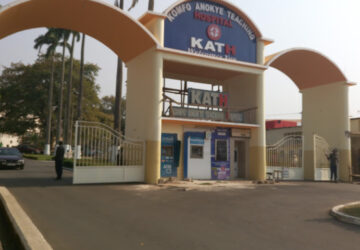
This reassurance comes after the Komfo Anokye Teaching Hospital (KATH), one of the major referral centers, expressed concerns over insufficient resources to implement the policy.
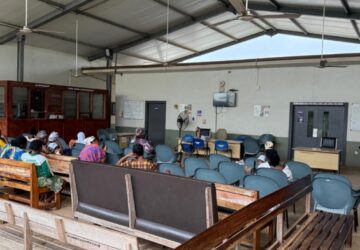
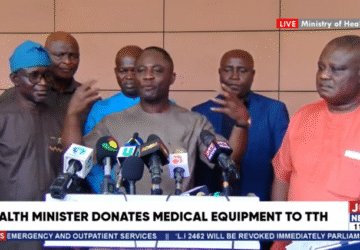
In an interview with JoyNews, KATH Deputy Medical Director, Dr Yaw Opare Larbi explained that the hospital currently has only seven functional machines and urgently needs more.
“We are hoping that the government will support us. This has been done recently. I think I can mention Korle Bu, who were given 30 dialysis machines,” he said.
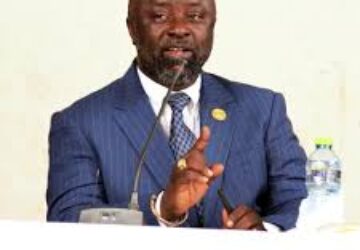
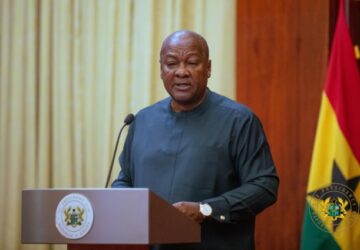
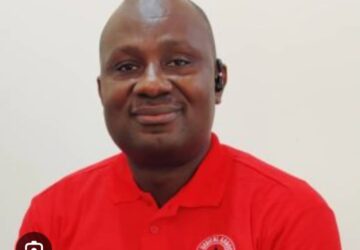
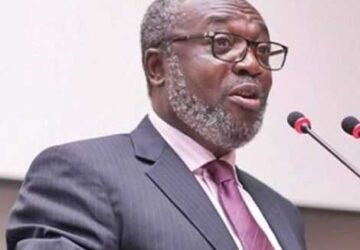
Dr. Da-costa Aboagye
“And we have seven, and if you look at the number of patients we see in our catchment area, we certainly need more help.”
He added that the hospital’s workload would worsen without additional machines.
However, NHIA’s Dr Dacosta Aboagye reassured that plans are already underway to equip KATH and other facilities with additional machines, ensuring a smooth launch in December.
“Let me assure Komfo Anokye Teaching Hospital that there should be no cause for alarm. About two months ago, they brought a request to the NHIS for equipment support, and we wrote a proposal to the World Bank.
“That proposal, as we speak, has been approved and is currently with the PPA. Once we get the PPA letter, we’ll be procuring some dialysis machines, and Komfo Anokye, Effia Nkwanta, and a few other centers will be beneficiaries. So they shouldn’t worry at all,” he stated.
Dr Aboagye highlighted that the procurement of these machines is part of a larger government strategy, noting that under the Agenda 111 initiative, dialysis centers will be established to ensure people do not have to travel far for treatment.
“It’s a comprehensive programme that is going to be rolled out by the government, and I believe that the facilities will be able to cope with it,” he added.
Meanwhile, Dr Aboagye announced that the National Health Insurance Scheme (NHIS) has cleared a legacy debt of GH₵1.2 billion inherited in 2017.
Addressing the Ghana Medical Association, he stated that the scheme is now financially stable and well-positioned to fulfill its mandate effectively.Source: Prince Adu-Owusu
The Vice President, Dr Alhaji Mahamudu Bawumia, has launched a digital health platform known as Telehealth Health Services to further improve access to quality healthcare in Ghana,
The platform, which is set to redefine the contours of healthcare delivery in Ghana is aimed at bringing medical consultations into the homes and hands of Ghanaians as every Government health facility across the nation will be connected to the service.
Telehealth Services will be under the auspices of the Ministry of Health, in close collaboration with the National Health Insurance Authority (NHIA), Ghana Health Service, the Pharmacy Council, and the Health Facilities Regulatory Agency.
The new programme in health forms part of the National E-Pharmacy Platform (NEPP) which has been integrated into both the National Health Insurance Authority (NHIA) and private health insurance systems as part of measures to revolutionize the way prescriptions are managed and dispensed across Ghana.
Addressing the public including staff of the Ghana Health Service, Ministry of Health as well as NHIA and other stakeholders at the Ejisu Government hospital on Monday. November 11, 2024, Dr Bawumia said the launch of the healthcare app reaffirms his government’s resolve to usher in an era where technology meets humanity in the service of health.
“Today we are launching the NHIA Telehealth Services and the continued nationwide growth of the National E-Pharmacy System and these innovations are the ones that will redefine the contours of healthcare delivery in our beloved nation”, Dr Bawumia stated.
Details:
Dr Bawumia said the Ministry of Health, in close collaboration with the National Health Insurance Authority (NHIA), Ghana Health Service, the Pharmacy Council, and the Health Facilities Regulatory Agency were collectively embarking on a journey to realize a vision that is audacious as it is vital.
He noted that this vision ensures that every citizen has unhindered access to quality healthcare regardless of location.
Benefits
The NHIA Telehealth Services is a key component of the ongoing infusion of technology and innovation into the provision of essential services in every sector of Ghanaian society.
The Telehealth service, he stressed is not merely an addition to the healthcare system but a revolutionary approach that brings medical consultations into the homes and hands of our people.
TeleHealth Services will make Specialist Care accessible to all and reduce travel costs and time; ease congestion at the hospitals as routine follow-ups can be handled online and free up hospital spaces for acute and emergency cases.
The management of chronic diseases like Diabetes and Hypertension will be improved as there will be regular check-ups to ensure stable management of their conditions without frequent hospital visits.
The decongestion in hospitals will allow immediate medical attention and increase education and awareness, allowing healthcare to reach wide audiences with vital health information that can promote preventive healthcare practices as well.
“Telehealth services provide quick preliminary consultations that can guide necessary actions or interventions much faster than traditional methods”, he added
Commendation:
Dr Bawumia commended the staff of the agencies who have worked collaboratively to make the Telehealth service a reality, and urged the officials charged with running the service to ensure and maintain the highest quality standards.
Source: Ghana/otecfmghana.com/ Michael Ofosu-Afriyie,
The Ghana Medical Association (GMA) has voiced serious concerns regarding issues of alcohol misuse, drug abuse, and instances of sexual misconduct among some members.
The Association’s President, Dr. Frank Serebour highlighted that such behaviour put patient care at risk, as affected doctors continue to work daily.
Speaking at the GMA’s annual general meeting, Dr. Serebour noted that the association is facing multiple lawsuits over allegations of medical and professional negligence, underscoring the urgent need for action to correct these issues.
“We have some health personnel involved in alcoholism and drug abuse, which impacts their quality of life,” he said.
He added that there have been severe cases of sexual harassment by health workers, with many complaints still under review by the Medical and Dental Council.
Dr. Serebour further expressed concern over rising legal actions against health facilities, noting that outcomes often reflect poorly on the profession.
He added that; “In some cases, we are left off the hook simply because the victims of our unprofessionalism choose to blame the witches and wizards instead of taking on the system.”
He also criticised certain unprofessional practices like chronic lateness, absenteeism, and insufficient work hours, questioning if professionalism is diminishing in the health sector.
“Is there an overwhelming focus on greed and selfishness? Some workers arrive at 9:00 a.m. and leave by noon, expecting to be paid for a full day,” he remarked
Dr. Mahamudu Bawumia, the flagbearer of the New Patriotic Party (NPP), has announced that starting December 1, 2024, kidney dialysis will be provided free of charge for all patients under the National Health Insurance Scheme (NHIS).
This comes after a successful pilot programme that offered free kidney dialysis for patients aged 60 and above, as well as those under 18 years.
Dr. Bawumia announced while campaigning in the Old Tafo constituency on Sunday, November 10.
“Many people suffer from kidney diseases, requiring dialysis, which can be costly and unaffordable for many. Six months ago, we initiated a pilot programme to include dialysis under the National Health Insurance Scheme (NHIS). For the past six months, individuals over 60 and those under 18 have been receiving free dialysis.“However, we are now concluding this pilot programme. Starting December 1 of this year, all kidney dialysis patients will be covered for free under the NHIS,” he stated.
The Churches of Christ, Ghana, is putting up a 150-bed hospital at Bomso in the Oforikrom Municipality of Ashanti.
The Hospital, which is currently at the 1st floor level, will cost the Church three million Dollars through a financial of a U.S-based philanthropist and will ultimately upgrade the existing Churches of Christ Mission Clinic to expand its range of services to members of the public upon completion.
The ongoing project
The Board Chairman of the Ghana Bible College, Professor Collins Fosu, announced this at Bomso near Kumasi at the 54th Graduation of the College.
The Ghana Bible College was established by US Missionaries of the Church of Christ about 62 years ago to train Ministers to drive the Church in Ghana towards churches planting and souls winning for the Kingdom of God in West Africa.
It has since produced thousands of Evangelists for the Church at its main Campus at Bomso near Kumasi and also at its satellite Campuses.
As a strategy of evangelism, the Missionaries attached to the Ghana Bible College a Clinic to serve the healthcare needs of both church members and members of the public.
At this year’s graduation ceremony for 43 students who have completed Bachelor, Diploma and Certificate programmes in Biblical Studies and Ministry, the Board Chairman of the Bible College, Professor Collins Frimpong, announced the construction of a 150-bed hospital to replace the Churches of Christ Mission Clinic to serve the health needs of the people through the benevolence of a philanthropic family in the U.S.A and urged members of the church in Ghana to also contribute towards the mission of the church in the country.
“This is a charitable venture by a family to the glory of God without any contribution from us here. We also own the Ghana Bible College. Let’s generously contribute to sustain and make it big”, the Board Chairman rallied members of the Church in Ghana.
The Principal of the Ghana Bible College, Emmanuel Antwi, announced that, the Church in the USA, who were financing operations of the College, have weaned the institution of its support thereby cutting any external financial aid.
It is now the obligation of members of the churches in Ghana to contribute generously toward sustenance of the College and its operations.
“They say Ghana is the 2nd highest membership of the Church in the world so if there’s any help to offer, they are re-direxting it elsewhere. We’ve more than enough members of the church in Ghana who can pool resources to finance the College to continue proclaiming the unadulterated word of God for the unborn generation”, Mr. Antwi urged.
The Principal announced that, management of the Bible College has introduced training in income earning ventures including mushroom production, snails rearing and bee-keeping for the students and their wives to generate additional income during their practice.
In a heartfelt show of support for breast cancer awareness, MTN Ghana organized “Y’ello Goes Pink Day” for its staff in October 2024. The event, held at MTN House and its regional offices, was part of a series of activities aimed at raising awareness about the disease.
Before the Y’ello Goes Pink Day event commenced, two groups within MTN—Scancom Cooperative Credit Union and Women in Technology (WIT) Cohort 3 Ladies —presented token donations to the Acting Chief Human Resource Officer, Mr. Abdallah Ibrahim, in support of women battling cancer. This donation was made to encourage MTN staff to voluntarily contribute funds for this cause.
The day’s program not only educated attendees about the importance of early detection and healthy living but also fostered a sense of community among participants.
The event kicked off with the Wellness Wave Fair, where employees had the opportunity to undergo medical screenings for various health checks, including Body Mass Index (BMI), blood pressure, and breast screening exercise. To promote overall wellness, the fair featured a special Bra Sales and Bra Management session led by Dansowaa Omega Amponsah, CEO of Pretty Little Things, who shared practical advice on proper bra usage and maintenance.
Dietician Nana Kofi Owusu took the stage to discuss healthy eating habits that can aid in cancer prevention. He emphasized the benefits of having balanced nutrition. He also explained the nutritional value of various foods, empowering participants to make informed dietary choices for better health.
Dr. Dennis Bortey, a renowned Medical Doctor, led a vital session on breast cancer and shared insights on self-examination techniques. He educated employees on how to perform self-checks and stressed that early detection can be lifesaving. During his talk, he highlighted key factors, symptoms, and treatment options for breast cancer, providing participants with valuable information to recognize early signs of the disease.
To keep energy levels high, the event featured an exciting fitness session with Jay Fitness, which got everyone on their feet and actively participating in some aerobic exercises. The fitness session included giveaways, adding an element of fun and engagement to the day’s activities.
At the end of “Y’ello Goes Pink Day,” MTN employees walked away with more than just gifts—they gained vital knowledge on how to live healthier lives and detect signs of breast cancer early. The event successfully fostered a culture of awareness and proactive health management, reinforcing MTN Ghana’s commitment to supporting the fight against breast cancer.
End.
Media Contacts:
Adwoa Afriyie Wiafe
Chief Corporate Services and Sustainability Officer
The Chairman of Ashanti Regional Chapter of Private Health Facilities Association of Ghana and Chief Executive Officer (CEO) of St. FF Specialist Hospital, Mr. Francis Fosu, has commended the government through the National Health Insurance Authority (NHIA) for its prompt and timely payment of claims to its members.
According to him, the government is doing well with the payment of NHIS claims to private NHIS hospitals.
Mr. Fosu revealed that the government was not owning any private NHIS hospital as this year’s claims had been paid up to August 2024.
Mr.Francis Fosu, CEO of St.FF Specialist hospital in an interview with Journalists
The CEO disclosed this during the official opening of St. FF Specialist Hospital recently at Danase in the Afigya Kwabre District of the Ashanti Region.
Mr. Fosu said if any private NHIS hospitals hadn’t received theirs, it could be a documentation mistake or a delay by the hospital in submitting its claims for the prepayment.
Official commissioning section
He, however, expressed worry over the rampant harassment by Ghana Revenue Authority (GRA) officers on private institutions in the country.
According to him, private institutions contribute a lot to the development of the country. It was, therefore, very worrying the continued harassment on them and their facilities with taxes, especially the newly opened health facilities.
Mr. Fosu is, therefore, proposing to the government to urgently consider giving tax exemptions and tax holidays to newly established private companies as it is done in other countries to accelerate development.
He explained that when these tax exemptions and tax holidays are implemented, it would bring more investors to the country, which would boost employment opportunities for the vibrant youth.
“Why is it that GRA officers are not going to the various forests to tax both legal and illegal miners since they have the money, but rather harassing institutions being established in the interest of the populace?” he asked.
“Even before we start official operations in relation to the licence, GRA had written to me to pay tax and how can this encourage investors if not passion and love for the country!” he added.
Touching on the selection of the community and the district for the facility, Mr. Fosu said it was part of his commitment to support government in bridging the gap of accessibility to quality healthcare by 2030.
St. FF Specialist Hospital is where patients with NHIS card will be provided with free two square meal to be paid by NHIA.
The CEO has announced free NHIS registration for 20,000 residents in the area, as well as renewal of NHIS to subscribers to enable them to access quality healthcare.
The former NHIA Deputy CEO, who is currently the Hiahemaa of the Kokofu Traditional Area, Nana Yaa Achiaa, Mr. Kwadwo Tweneboah Kodua, among other speakers and Nananom of Danase and its environs, could not hide their joy and praises to Mr. Fosu.
They appealed for the collaboration of health personnel posted to the facility and the community to ensure the realisation of the purpose of establishing the facility.
The National Health Insurance Scheme (NHIS) is leveraging the Ghana National
Electronic Pharmacy Platform (E-pharmacy) to combat illegal charges, commonly referred to as co-payments.
Co-payment in the NHIS context involves NHIA-credentialed facilities charging
scheme members for services and medications paid for by the Scheme.
The NHIA’s Chief Executive, Dr. Da-Costa Aboagye, shared this information
during a series of staff durbars held across the country, where he engaged with
employees on enhancing the Scheme and his welfare enhancement plans.
The most recent gathering occurred last Friday at the Authority’s head office in
Accra.
Dr.Da-Costa Aboagye, CEO NHIA
He appealed to all credentialed facilities and staff members to support his vision of eliminating illegal charges.
Dr. Aboagye emphasized that ending this illegality is a shared responsibility,
urging staff and other stakeholders to refrain from aiding such acts and to remain
vigilant against facilities that perpetuate these practices.
He underscored the necessity of this effort for the Scheme’s sustainability and the
jobs of all staff members.
He indicated that co-payments represent a significant concern for the Authority
and NHIS beneficiaries, as they often lead to unexpected out-of-pocket expenses
for services and medications fully covered under the NHIS
He noted that such practices create barriers to access and undermine the NHIS’s
core objective of ensuring equitable healthcare for all.
He reiterated that the NHIS covers diagnosis and treatment for 95 percent of
primary healthcare needs, and the NHIS expects that no scheme member will incur additional charges for these services and medications.
“Unfortunately, despite extensive efforts and awareness creation, illegal charges
continue to persist, especially in the dispensing of prescribed medications to
members.
“As part of my commitment to address this issue and enhance the performance of
the Scheme and health outcomes, the E-pharmacy policy is currently being
integrated with the NHIS. It is currently being piloted in the regions of the North, with plans for a nationwide rollout to follow.”
E-pharmacy Policy
Elaborating on the E-pharmacy initiative, Dr. Aboagye explained that the policy
requires that if a credentialed pharmacy, whether within a healthcare facility or
standalone, does not have prescribed medication in stock, it must upload the
prescription to the E-pharmacy platform.
“This enables the system to locate another credentialed facility within the
member’s community that has the medication available, allowing the member or
patient to be directed to that location for collection.
“Alternatively, with the assistance of the property addressing system, the
medication can be delivered to the member at home in line with terms and
conditions,” he said.
He said the E-pharmacy is currently being piloted in the regions of the North, with plans for a nationwide rollout soon.
He explained that the integration of this digital platform with the NHIS will
significantly reduce opportunities for illegal charges on medications that should be covered. Members can verify the availability of their medications in real time,
ensuring they are not pressured into making unauthorized payments.
“This move aligns with our mandate to protect beneficiaries and ensure that all
services covered under the scheme remain free at the point of delivery,” he
emphasized.
“This approach not only promotes collaboration among pharmacies but also
ensures that patients can receive their medications without undue delay,” he said.Other Benefits
The NHIA Boss said the E-pharmacy initiative also promises to utilize real-time
data to track medication dispensing patterns across pharmacies.
He said that capability will empower the NHIS to identify and address
discrepancies in co-payments more effectively.
“By centralizing the pharmacy services, the NHIA can swiftly address cases of
non-compliance among accredited facilities, implementing sanctions as necessary
to uphold the integrity of the Scheme.
“The E-pharmacy integration is expected to increase transparency and
accountability within the scheme, easing the financial burden on NHIS members.
This effort is part of the NHIA’s broader agenda to streamline service delivery
under the NHIS and expand access to quality healthcare
“By tapping into digital solutions like the E-pharmacy platform, the NHIS hopes to significantly reduce illegal charges and enhance the overall experience for NHIS
subscribers.
Dr Aboagye said this initiative comes at a critical time as the NHIS seeks to
enhance its effectiveness and sustainability. The NHIS is designed to provide
comprehensive healthcare coverage to the entire population.
“Co-payment has become a major challenge for our scheme. We are committed to
addressing this issue through systems, enforcement, and meaningful engagements
with service providers,” he said.
Co-payment Drivers / Solutions
Dr. Aboagye said the co-payment issue has long been a concern for the Authority
and NHIS members, who report frequent charges at hospitals and pharmacies.
He noted that some health facilities have cited delays in claim payment and low
tariffs for medications under the NHIS, compared to market prices, as reasons for
charging NHIS members additional fees.
Insisting that no reason justifies illegality, the NHIS appreciates their concerns and has worked hard to ensure prompt payment of claims.
“In tandem with the E-pharmacy initiative, the NHIS has been proactive in
addressing payment delays that have contributed to the co-payment issue,” he said.Dr. Aboagye noted that the government has made substantial financial
investments to bridge payment gaps and improve service provider tariffs, ensuring
that healthcare facilities can operate sustainably without resorting to illegal
charges
Dr. Aboagye reported that the government, through the NHIA, has been proactive
in ensuring that all submitted and vetted claims are paid promptly. “We have
worked hard to ensure that there are no outstanding claims.
“Currently, we have paid up to August and are calling on NHIA-credentialed
facilities to submit their claims for prompt vetting and payments,” he said.
He said by streamlining the reimbursement process, the NHIA aims to eliminate
the financial pressures that can lead healthcare providers to impose illegal charges.
These efforts are designed to ensure that healthcare facilities can operate
sustainably without resorting to illegal charges.
“Our commitment to addressing the issue of co-payments is a significant aspect of our reforms,” Dr. Aboagye affirmed.
Tariffs
On Low tariffs, Dr. Aboagye stated that while the Authority has been collaborating with stakeholders to frequently review tariffs to help service providers break even,
it is currently working around the clock to ensure an automatic tariff adjustment
policy that will address their concerns.
“Currently, the tariffs in force are based on consensus by all stakeholders and
therefore, while we have ensured that claims are paid promptly, we expect that no member is charged any additional fees.
“This is illegal and will soon be punishable by law. Currently, service providers do not have any moral grounds to continue charging NHIS members for any service
and medication on the inclusion list of the NHIS.
“The NHIA’s commitment to eliminating co-payments is part of a broader strategy to enhance service delivery and improve access to quality healthcare for all
Ghanaians,” he said.
Background
The E-pharmacy platform, which officially launched in January 2023 following a
successful six-month pilot, has been welcomed by both the government and
stakeholders in the pharmaceutical industry.
Vice President Dr. Mahamudu Bawumia, who played a pivotal role in the
initiative’s development, expressed his enthusiasm for the convenience it will bring Ghanaians.
The platform enables registered pharmacies to offer a streamlined process for
uploading and purchasing prescribed medicines. Upon registration with their
Ghana cards, these medicines can then be delivered directly to patients’ homes.
Presidential Advisor on Health Dr Anthony Nsiah-Asare, has assured that a number of the Agenda 111 hospital projects will be completed and operational by the end of President Akufo-Addo’s term.
Speaking on Joy News’ PM Express Manifesto Tracker, he addressed the current status of the ambitious Agenda 111 initiative, launched to address healthcare accessibility through the construction of hospitals across Ghana.
“We are building, and building is not done over a day,” Dr Nsiah-Asare stated, responding to claims that the government has failed to deliver on the project.
Dr Anthony Nsiah-Asare
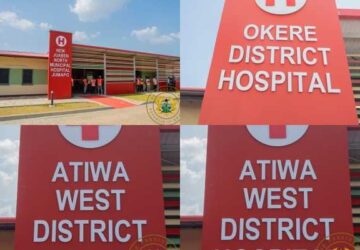
The projects comprised 104 district hospitals, seven regional hospitals, two regional psychiatric hospitals (northern and middle belt zones) and one new national psychiatric hospital in Accra.
He stated that substantial progress is being made: “As I speak tonight, I can conveniently tell you…100 of the hospitals are under construction.”
Dr Nsiah-Asare clarified the phased nature of the project, noting that 98 district hospitals are currently at various stages of development, with some “above 98% completion.”
According to him, the government will announce which hospitals will be ready for commissioning and operation within the next two months, aligning with the President’s goal to deliver some facilities before leaving office.
Outlining the achievements so far, he indicated that “out of the hundred that are at various stages of completion, 33 of them are above 70% completion,” suggesting that these facilities could be completed “within a very short period.”
Dr Nsiah-Asare affirmed that the administration has prioritized this initiative, saying, “We are managing it…we are certain.”
However, Professor Titus Beyuo, representing the opposition NDC, challenged the feasibility of completing Agenda 111 projects within the remaining time frame.
He criticised the frequent changes to projected completion dates and suggested that the NDC could not promise to complete all facilities due to a lack of clarity on the project status.
“The people who even propounded the concept have changed their dates several times,” he argued.
The Director of Communications of the New Patriotic Party (NPP), Ricard Ahiagbah, has stated that the government’s investment in health infrastructure in the Volta Region is “unprecedented”.
Addressing a press conference on the “abuse of the electoral loyalty of the Volta Region” on October 30, 2024, at the NPP’s Regional Headquarters in Ho, Mr Ahiagbah highlighted ongoing efforts under the government’s Agenda 111 project, which includes the construction of seven new hospitals across various districts in the Volta Region. This initiative, he said, underscores the government’s commitment to improving healthcare access and services for residents in the region.
Ricard Ahiagbah speaking at the press conference
“These projects represent a historic investment in health infrastructure in the Volta Region,” Ahiagbah said. “Seven new hospitals are currently being constructed in Adaklu Waya, Kpetoe, Anloga-Agortoe, Ve-Agbome, Ave Dakpa, Dzolokpuita, and Kpeve. This, in addition to the completed Ketu North Municipal Hospital in Weta, marks eight secondary hospital projects in this region alone, which is an extraordinary achievement,” he noted.
Agenda 111
He added that: “The coming onstream of these district hospitals will help solve the perennial access to healthcare problem in the region and provide jobs for the thousands of trained health workers waiting for postings. The Agenda 111 project is estimated to create 68,000 direct jobs and 70,000 or more indirect jobs. Ladies and gentlemen, the lion’s share of these jobs will come to the Volta Region”.
He reminded Voltarians that the NDC will abandon the Agenda 111 projects, as they did the Kufuor Euroget projects, costing the Volta Region its share of the 68,000 jobs and associated opportunities, adding that “we cannot allow this to happen when we have the power to stop it by voting for the NPP to ensure continuity”.
He mentioned that the government has initiated 30 Community Health Planning and Services (CHPS Compound) Projects. Of these, he mentioned that 18 have been completed and are serving the people’s health needs. The remaining 12 projects are near completion. The government has also completed the construction of two disease control and isolation centers in the region: one in my beloved Ketu South and one in Keta.
“Let me reiterate the invitation to you to explore our government’s performance using the tracker to appreciate the full extent of the NPP’s investments in the Volta Region. When you check the data, you will find that we have built more roads, factories, bridges, boreholes, computer distribution centers, court buildings, drainage, and water supply systems in the Volta Region than the NDC,” he added.
No NDC investment justification
He further indicated that: “The point is quite clear that while the NDC claims the Volta Region is its stronghold, it has not invested in the region to justify the loyalty of the good people of this region. NDC ignored the Volta Region regarding the choice of running mate.
“I am convinced that the Volta Region has men and women in the NDC who can be effective running mates, but as always, the NDC bypassed its stronghold. At the same time, the NPP prioritized its stronghold and chose Dr. Matthew Opoku Prempeh as running mate to Dr. Mahamadu Bawumia”.
He lamented that “The NDC’s hold on the Volta Region is affecting not only its development but also the political evolution of its people”. He suggested that the “the only way to end this abuse is for us to vote against the NDC on 7th December to jolt them out of their abusive slumber to rebirth taking place in the Volta Region”