There will be jobs for school dropouts because not everyone ,has the potential to go to the second cycle institutions.
The next NDC government will make sure the national apprenticeship program support the youth, who are interested in skill training and equipment them with special incentives to start their own shops to earn a living.
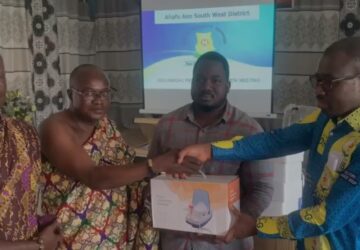
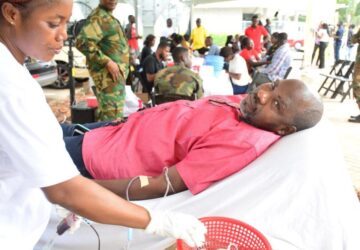
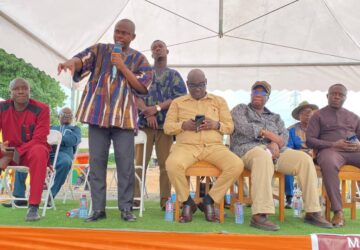
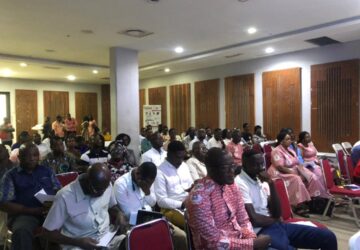
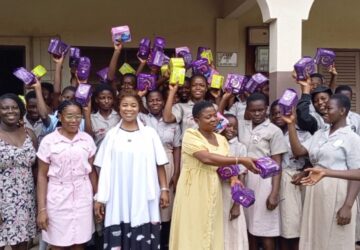
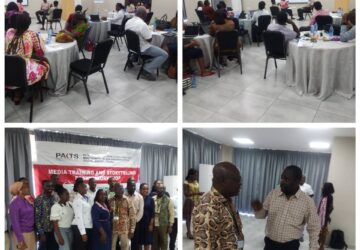
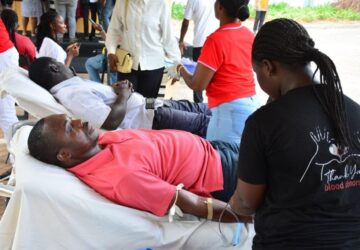
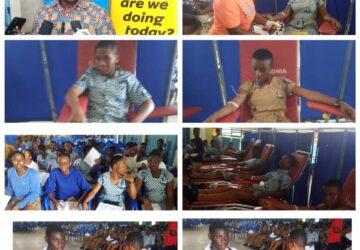
Some scenes from the event
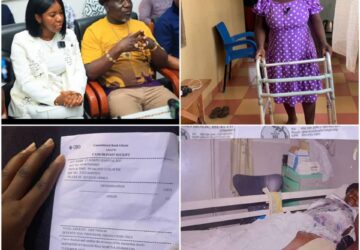
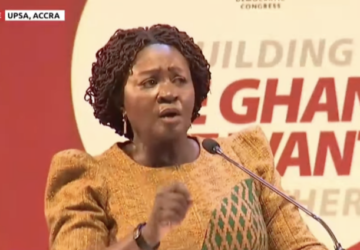
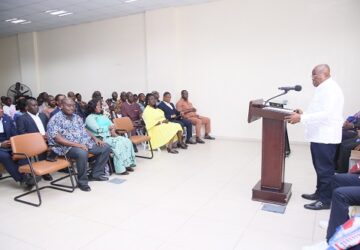
Madam Faustina Dery ,the 2024 National Democratic Congress ( NDC) Parliamentary candidate for Nhyieaso constituency in Kumasi,made statement, when she addressed the people of Dakojomu in the constituency during a health screening exercise.
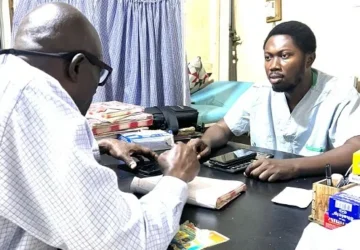
The Parliamentary candidate, organised a breast screening exercise for the people of the constituency, as part of her annual breast screening program.
A member of the national campaign team, Dr. Mary Awisi added that the Nana Addo Addo administration has let Ghana lose its credibility, and the need has come to chase them out now .
Residents of Dakojomu, also shared with us their responds to the breast screening exercise.
The government has expanded the benefit package of the National Health Insurance Scheme (NHIS) to include four mental health conditions.
These are Depression Disorder, Bipolar Disorder, Anxiety Disorder and Schizophrenia Disorder.
Implementation of this significant addition will take effect from November 1, 2024.
Coverage includes outpatient services and the initial acute hospitalisation stage.
By this initiative, NHIS subscribers can access these essential services from any NHIS-accredited facility.
However, these services remain free of charge at the country’s specialised mental health care hospitals.
The addition is to improve access to mental health care given that the country has only a few specialised mental health hospitals, primarily the Accra Psychiatric Hospital, the Ankaful Psychiatric Hospital, and the Pantang Psychiatric Hospital.
Additionally, some general hospitals have psychiatric units.
This bold initiative ensures that mental health services, which are critical to the well-being of our population, are readily accessible to every Ghanaian.
Dr.Da-Coasta Aboagye
It removes financial and geographical barriers, allowing more people to seek the care they need.
It is part of a broader national strategy aimed at addressing mental healthcare gaps and accelerating the delivery of Universal Health Coverage (UHC).
Mental Health coverage under NHIS also encourages early diagnosis and treatment of mental health issues, which can prevent more severe conditions.
Mental health is not solely about severe conditions such as madness; it also encompasses mild to moderate psychological disorders such as fear, stress, anxiety, depression, bipolar disorder, and various sleep disorders that can escalate into serious mental illness if early care is not provided.
Stigma
The NHIA has noted that the stigma surrounding mental illness often deters individuals from seeking help. Many with conditions that could lead to serious mental health issues may hesitate to visit specialised hospitals, where care is free, or may find it unaffordable at private facilities, resulting in inadequate care and widening the access gap—an outcome contrary to the principles of UHC.
The inclusion of this service in the NHIS benefit package will ensure that such services are mainstreamed within the general healthcare system.
By integrating mental health care into the NHIS, the government hopes to provide a lifeline for individuals suffering from these conditions, enabling them to access necessary treatments without barriers.
The NHIA is commitment to continually improving the NHIS to meet the evolving healthcare needs of the population. The expansion to include mental health services is part of a broader package of recent enhancements to the scheme.
Over the past year, the NHIS has added several important services to its benefits package, aligning with the government’s vision for a comprehensive healthcare system that leaves no one behind. Notable additions include family planning services, which are crucial for promoting reproductive health and reducing maternal mortality rates, as well as coverage for the diagnosis and treatment of four childhood cancers—Acute Lymphoblastic Leukaemia, Burkitt Lymphoma, Retinoblastoma, and Wilms Tumour, which account for about 60 percent of all childhood cancers. Provision has also been made for dialysis under the scheme.
The NHIA emphasises the importance of prevention as a cornerstone of healthcare and better health outcomes, informing the addition of free annual health screenings for all Ghanaians aged 18 and above.
Our goal is to ensure that every Ghanaian has access to quality healthcare, regardless of their economic status or where they live, and we are on track to achieve this agenda.
……Signed…….
Dr Da-Costa Aboagye
Chief Executive Officer, NHIA.
A tragic accident occurred at dawn today, Monday, October 14, 2024, after a VIP bus travelling from Kumasi to Enchi in the Western North Region veered off the road and plunged into a ditch near Kwapia, close to Obuasi.
Police sources have confirmed that thirteen people lost their lives in the incident, including seven males, five females, and a child, all of whom were passengers on board the bus.
Reports indicate that all but one of the deceased passengers died instantly at the scene. The driver, identified as Osei Adu, was transported to the hospital for treatment but succumbed to his injuries shortly after arrival.
A scene from the accident
The accident has sent shock waves through the local community, as families mourn the loss of their loved ones.
Read also: Six die in gory accident at Atwedie on Accra-Kumasi road
Eyewitness accounts suggest that the bus, which bore the registration number ER 2445-11, was overloaded after it had picked up several stranded passengers from another bus that had broken down on the route.
It is believed that a confrontation among some aggrieved passengers regarding the bus’s overloaded condition may have distracted the driver, contributing to the tragic accident.
In the wake of the incident, those injured in the crash are receiving medical treatment, while police have begun an investigation into the circumstances surrounding the accident.
The remains of the deceased have been deposited at the morgue as authorities work to gather more information and provide support to the affected families.
The paramount chief of the Dorma Traditional Council and president of the Bono House of Chiefs, Osagyefuo Oseadeeyo Agyeman Badu II, has expressed renewed confidence in the government’s Agenda 111 initiative following a recent courtesy visit from Vice President Dr. Mahamudu Bawumia.
During the Vice President’s tour, the chief and his elders participated in a Stakeholder Consultation Forum held on Wednesday, October 9, at the Dormaahene Palace, where they engaged in discussions on various developmental issues affecting the region.
In his remarks, Dormaahene acknowledged the initial skepticism surrounding Agenda 111 but noted that the government’s commitment and progress have dispelled doubts.
He highlighted the initiative’s potential to improve healthcare facilities in the area, emphasising the positive impact it could have on the community’s well-being.
The chief also took the opportunity to discuss the “One District, One Factory” project in Dormaa East, urging for further development projects to be introduced in the region.
Furthermore, the chief expressed his support for Vice President Bawumia’s campaign, wishing him success as he seeks to lead the nation.
He reiterated the importance of continued collaboration between traditional leaders and the government to drive development initiatives that align with the community’s needs and aspirations.
In addressing environmental concerns, Osagyefuo Oseadeeyo Agyeman Badu II voiced his strong opposition to illegal mining, commonly known as galamsey.
He urged the government to take decisive action to curb the menace, stressing the need for sustainable practices to protect the environment for future generations.
“My Vice President, it is true we chiefs don’t do politics, but as your spokesperson, Dr. Gideon Boako mentioned during the introduction that we can not close our eyes to the many development interventions your government has brought to Ghana, and also Dormaaman.”
“Here at Dormaa, we are very much aware of the many road improvements you have brought to us. We can boast of asphalts here, and even my palace has benefited,” he said.
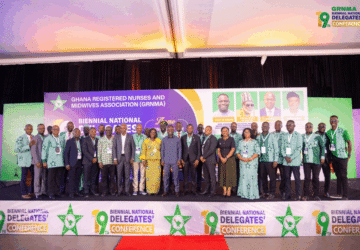
The Ghana Registered Nurses and Midwives Association (GRNMA) has announced that it will not participate in the nationwide anti-galamsey strike declared by organised labour on October 10, 2024.
The decision comes after the National Council of GRNMA held an emergency meeting on October 8, 2024.
In a press statement issued on Wednesday, October 9, GRNMA said it supports the cause behind the strike in the fight against illegal small-scale mining (galamsey) but emphasised its commitment to continuing healthcare services for Ghanaians.
“The GRNMA and its members will not embark on the strike action declared by organised labour and therefore directs that all nurses and midwives stay at post and continue delivering safe and quality health services to the good people of Ghana,” part of the statement read.
The association stated that while it will not join the industrial action, it stands in solidarity with organised labour in its stance against the environmental and social destruction caused by galamsey.
“The GRNMA solidarises with member trade unions and associations under organised labour in the fight against galamsey and will continue to advocate for stronger national interventions to curtail the galamsey menace in Ghana,” the statement added.
Meanwhile, the Hospital Pharmacists Association (GHOSPA) and the Ghana Medical Association (GMA) have announced that they will also not participate in the strike.
According to the associations, while they stand in solidarity with organised labour in the fight against illegal small-scale mining, they have an essential role to play in delivering healthcare services to Ghanaians.
The Private Health Facilities Association of Ghana (PHFAoG) has commended the Chief Executive of the National Health Insurance Authority (NHIA), Dr Da-costa Aboagye, and his team for their unwavering commitment towards prompt payment of claims.
Describing recent payments by the NHIA as unprecedented, the Association said the drive has brought great relief to service providers under the National Health Insurance Scheme.
The commendation was contained in a communique issued after the Association’s 4th Annual General Conference, held from September 18th to 20th, 2024 and signed by its President, Dr Kwame Buabeng Frimpong.
“PHFAoG acknowledges the Authority’s extraordinary efforts in releasing a significant amount of funds to settle claims owed to healthcare service providers across the nation.
“This timely intervention by Dr. Aboagye’s team has restored a level of financial stability, which is essential for sustaining quality healthcare delivery.
“The Authority has in the past weeks historically released a colossal amount for the payment of claims to service providers nationwide.
“Unfortunately, the same cannot be said of some Private Health Insurance Schemes which have held to ransom, several months of unpaid claims due to service providers creating a financial bottleneck that threatens the sustainability of the services provided by their members,” the Association said.
The Association’s commendation comes at a time when the NHIA has made considerable strides in addressing long-standing concerns regarding the delays in the payment of claims, a critical issue that had previously placed significant financial strain on healthcare facilities, particularly private ones.
In the last three weeks, the NHIA has released and disbursed over GH¢800 million for the payment submitted and vetted claims for April to July 2024.
On August 17, 2024, the NHIA released GH¢151 million to cover claims from March 2024 for higher-tier healthcare providers and from April 2024 for lower-tier facilities.
This was preceded by a GH¢135.6 million payment in July, which settled claims up to February 2024 for higher-tier providers and up to March 2024 for lower-tier facilities.
On April 30, 2024, the NHIA released GHS170,775,035.07 to cover predominantly claims of January and February 2024 for lower-tier facilities, which form the majority of healthcare providers, and up to November 2023 for upper-tier facilities and healthcare providers.
On March 22, 2024, the NHIA paid GH¢180 million to various categories of healthcare providers across the country for claims submitted and vetted up to December 2023.
On February 13, 2024, the NHIA paid GHS130,244,000.00 to 4,850 Mission, Public, Private, and Quasi-Public healthcare providers nationwide largely for claims submitted for October 2023.
Appeal for Expedited Tariff Review
In addition to commending the NHIA for its role in claims payment, PHFAoG has also urged the Authority to expedite the ongoing review of tariffs for healthcare services, a matter of great concern to private health facilities.
The Association noted that it had been part of the review committee working alongside the NHIA to ensure that the revised tariffs reflect the current economic realities faced by healthcare providers.
Despite their contributions to the review process, PHFAoG expressed apprehension regarding the adequacy of the upcoming tariffs, fearing they may not align with the current pricing dynamics in the healthcare market.
“Our primary concern is whether the new tariffs will accurately reflect the market conditions to the extent of eliminating illegal charges or payments known as co-payment under the NHIS, which have become a source of frustration for both service providers and the National Health Insurance Scheme (NHIS).
“Co-payment, a situation where patients are required to pay additional fees beyond what is covered by the NHIS has become increasingly common due to the perceived inadequacy of existing tariffs.
To address this issue, the Association has called on the NHIA to reconsider its approach to benchmarking tariffs against inflation rates, pointing out that inflation does not necessarily reflect the pricing of medical commodities.
“Pricing of healthcare inputs is based on market forces, not inflation,” the statement read.
Re-call
However, while addressing the conference in Koforidua, Dr Aboagye assured all service providers under the NHIS that the Authority is pursuing pragmatic reforms to the Scheme, which will help address their concerns.
He mentioned components of the reforms to include prompt payments of vetted claims to ensure payments were current; automatic price adjustment to regulate pharmaceutical pricing; E-pharmacy policy to enhance medication accessibility under the scheme and the collaboration with the National Identification Authority to provide Ghana cards for 6.3 million young people between 6 and 14 to enable them to be captured unto the NHIS.
“While we have reviewed tariffs multiple times in recent years, pricing remains an anchor for both public and private facilities to charge illegal fees. For this reason, in this regime, our approach is let’s do it well, that is why it has kept long.”
“We have invited all stakeholders, development partners, everybody that matters to the table, trying to make sure that we get it right. This is why the process has been delayed.”
“Our goal is to introduce an automatic price adjustment mechanism that will help stabilise prices, especially in the pharmaceutical sector,” Dr Aboagye explained.
The Pharmaceutical Society of Ghana (PSG) has warned that the country risks importing water to support local pharmaceutical production if the illegal mining canker is not addressed urgently.
The society made this warning at its 2024 annual general meeting, citing the devastating impact of illegal mining on water bodies and the subsequent increase in the cost of treating water for manufacturing.
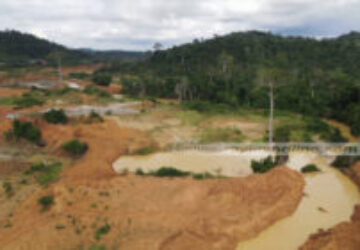
A scene from galamsey activities
According to PSG, the treatment of water for local production of pharmaceutical products is becoming increasingly expensive due to the environmental degradation caused by illegal mining activities.
The society emphasised that this added cost contributes to the high cost of medicine in Ghana.
The PSG President, Dr Samuel Kow Donkoh, warned that if measures are not taken to address the illegal mining menace, Ghana may soon face the reality of importing water to support local manufacturing industries.
He noted that Ghana’s local manufacturers currently produce all the infusions needed in the country, but they require quality water to do so.
The society is urging the government to put stringent measures in place to tackle illegal mining activities, which threaten the sources of water used for various purposes.
“The activities of illegal miners in particular have devastated our water bodies, making it increasingly expensive for pharmaceutical companies to treat water for their manufacturing processes. Ghana currently enjoys self-sufficiency in local production of infusions but illegal mining threatens this achievement.
“If this environmental degradation continues, we may soon face the grave reality of importing water to support our local manufacturing industry. The pollution from these mining activities is so severe that expensive technology is also required to treat water, contributing to the high cost of medicines. We therefore call on the government to take urgent decisive action to end this lawlessness.”
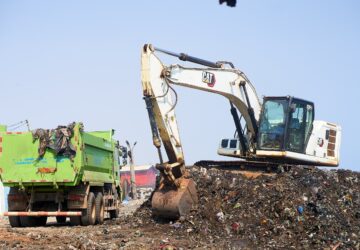
Ghana must urgently adopt the Singaporean waste to energy policy to turn plaguing waste pollution to economic gains- says an Energy Law Consultant.
An energy policy expert has advised the government ministry of sanitation to urgently engage Zoomliion ( a leading waste management firm) , to set up industrial plants to turn waste to electricity generation,turn smoke to sterilize vapour and residue waste as asphalt for road construction,thereby create jobs and skills for thousands of youths.
According to JK Owusu-Boakye( aka General Abito),Singapore generates 250,000 containers of waste daily, 365 days and generate electricity for the city – country and over 60,000 employment, dem stile smoke into atmospheric vapour and used residue as road asphalt.
A game changing waste to energy mechanism, making the city-country clean and out of waste.
This can be done in Ghana (Accra) to get it cleaned as the president said.
Fortunately for Ghana we have Zoomlion Waste Management Company that can turn this policy to workable practice of cleaning Accra and our communities, what are we waiting for, he quibbled?
Zoomlion is in every district in Ghana and as local giant in the Waste Management, there is no gainsaying fact that Ghana can turn a waste menace to positive socioeconomic gains for development in its energy transition agenda 2050.
He advised that ZL should partner YEA to create a Youth in Waste-to- Energy module to capture this new ‘clean city of waste’ ,employment n generation policy in Ghana set on the lines of what is in Singapore.
The Chief Executive Officer of the National Health Insurance Authority (NHIA), Dr Dacosta Aboagye , has commended the government for its robust policy initiatives aimed at digitalizing the operations of the National Health Insurance Scheme (NHIS). Speaking on the Wontumi Radio morning show in Accra, Dr. Aboagye highlighted the positive impact of merging the Ghana Card with the NHIS card, a move he described as a game-changer in the healthcare sector.
Dr.Da-Costa Aboagye
Dr. Aboagye noted that the integration of the Ghana Card with the NHIS card has significantly boosted enrollment, providing access to healthcare services for millions of Ghanaians. “This innovative approach has simplified the process for members, enabling more people to register and renew their NHIS membership conveniently. As a result, we’ve seen a substantial increase in the number of active members, which is a critical step towards achieving Universal Health Coverage in Ghana,” he stated.
He further revealed that one of the new reforms being implemented by the NHIA is a policy to add children between the ages of 6 to 14 years onto the NHIS by funding the payment of their Ghana Card. “This initiative will ensure that children within this age bracket can access healthcare services, further advancing our goal of achieving universal health coverage. With the merger of the Ghana Card and the NHIS card, we are well on our way to making healthcare accessible to every Ghanaian,” Dr. Aboagye added.
Dr.Da-Costa Aboagye,CEO,NHIA
In addition to improving healthcare access, Dr. Aboagye emphasized that the digitalization of NHIS operations, coupled with the introduction of the Ghana Card, has played a crucial role in broadening the tax base. “Through this digitalization initiative, many more people have been brought into the tax net, directly contributing to the budget of the NHIS. This has provided the scheme with additional resources to enhance service delivery and ensure the sustainability of healthcare financing in Ghana,” he explained.
Dr. Aboagye also highlighted a key reform in the NHIA’s approach to claims payments, announcing the introduction of automatic price adjustments. “With claims payment, automatic price adjustment will help align payments with inflation, ensuring that health facilities receive realistic tariffs for their services and medicines. This is essential for maintaining the quality and sustainability of healthcare services across the country,” he noted.
The NHIS, established in 2003, is a pioneering social intervention program designed to provide affordable and accessible healthcare to all residents of Ghana. Over the years, the scheme has undergone several reforms aimed at improving efficiency, sustainability, and coverage. The recent digitalization efforts, including the introduction of electronic claims processing and mobile renewal systems, have transformed the scheme’s operations, making it more responsive to the needs of the population.
Dr. Aboagye also emphasized the importance of these digitalization initiatives in reducing fraud and ensuring timely reimbursement to healthcare providers. He revealed that the NHIA is committed to further enhancing the scheme’s operations through continuous innovation and stakeholder engagement.
“The future of healthcare in Ghana lies in leveraging technology to make services more accessible and efficient. The government’s commitment to digitalization is a testament to its dedication to improving the well-being of all Ghanaians. We are excited about the opportunities this presents for the NHIS and the broader health sector,” Dr. Aboagye added.
He further urged all Ghanaians to take advantage of the merging process by linking their NHIS cards to their Ghana Cards, thereby ensuring uninterrupted access to healthcare services. Dr. Aboagye assured the public that the NHIA will continue to work tirelessly to expand coverage and improve the quality of care provided under the scheme.
The Chief Executive of the National Health Insurance Authority (NHIA), Dr. Da-Costa Aboagye , says the Authority is pursuing pragmatic reforms to upgrade the National Health Insurance Scheme.
This ambitious reform is expected to among others, enhance the operations of service providers to improve healthcare delivery and expand access towards Universal Health Coverage.
Dr. Da-Costa Aboagye ,
He mentioned components of the reforms to include prompt payments of vetted claims to ensure payments were current; automatic price adjustment to regulate pharmaceutical pricing; E-pharmacy policy to enhance medication accessibility under the scheme and the collaboration with the National Identification Authority to provide Ghana cards for 6.3 million young people between 6 and 14 to enable them be captured unto the NHIS.
He also mentioned the automatic absorption of all SSNIT contributors into the Scheme without additional payment.
He was speaking at the opening of the 4th Annual Conference of the Private Health Facilities Association of Ghana in Koforidua on September 18, 2024.
The conference, which has become a prominent gathering for private healthcare providers, pooled industry players, policy makers, healthcare consumers, and traditional leaders to discuss challenges and opportunities in healthcare delivery.
“We are reforming and upgrading the National Health Insurance Scheme (NHIS), and our aim is to eliminate delays in payments to facilities to improve service delivery and access,” he said.
Dr Dacosta Aboagye expressed confidence that these reforms will make the health system more robust, ending illegal payments also known as copayments, a phenomenon he described as a major threat to the effectiveness and sustainability to the National Health Insurance Scheme (NHIS).
“We are working hard to end co-payments through two key measures: system reforms and the establishment of a task force.
“If the NHIA is paying claims on time and providing adequate tariffs, no facility has the moral right to charge patients additional fees,” he stated.
He assured the private health facilities that the NHIA is committed to maintaining regular payments, as part of broader reforms aimed at improving the NHIS.
Prompt payment
Throwing more light on prompt payment, he said over the past few months, the Authority has paid out claims at an unprecedented rate, more than any other government in the Fourth Republic.
He underscored the NHIA’s current efforts in improving payment systems to healthcare facilities, noting significant progress made in recent months.
He shared that the NHIA has made substantial payments to health facilities to clear long-standing debts.
“In 2016, the entire budget of the NHIS was around GH¢1.2 billion, and there was a backlog of one year of unpaid claims.
“Just last week, I authorised the release of GH¢800 million for healthcare facilities, with 400 million already disbursed.
“Today, I am pleased to announce that we have begun the disbursement of an additional GH¢402 million. We have made payments up to July,2004 to all facilities that have submitted claims,” he said.
Emphasising the NHIA’s objective to eliminate debts to healthcare facilities, he assured stakeholders that claims submitted would be processed promptly.
Tariff review
The Chief Executive also addressed concerns on the ongoing tariff review process, recognising the need for speed and effectiveness.
“While we have reviewed tariffs multiple times in recent years, pricing remain an anchor for both public and private facilities to charge illegal fees. For this reason, in this regime, our approach is let’s do it well, that is why it has kept long
“We have invited all stakeholders, development partners, everybody that matters to the table, trying to make sure that we get it right. This is why the process has delayed.
“Our goal is to introduce an automatic price adjustment mechanism that will help stabilise prices, especially in the pharmaceutical sector,” he said.
Dr Aboagye said the current manifesto of the ruling New Patriotic Party includes plans for an automatic price adjustment within a regulatory framework to prevent arbitrary pricing by pharmaceutical companies.
He explained that the automatic price adjustment system will prevent pharmaceutical companies from arbitrarily increasing prices, as it will be regulated within a framework determined by the independent tariff review.
“We are committed to ensuring that both public and private facilities benefit from fair and sustainable pricing.
“What this means is that under no circumstances will pharmaceutical companies be allowed to charge anything that they want. Prices will be determined automatically by the stakeholder approved regulatory framework under the independent tariff review, when it comes up,” he said
E-pharmacy policy
He said an E-pharmacy policy aimed at streamlining medication access is also currently being piloted.
“This initiative allows pharmacies under the NHIS to upload prescriptions of medications they don’t have but a patient need on an online platform, facilitating medication collection at any local pharmacy near them or even in some instances have them delivered to their homes with the aid of the property addressing system.
“As reforms continue, the NHIA remains committed to enhancing the robustness of Ghana’s health system, ensuring that all citizens can access quality care.
Dr. Aboagye emphasised the importance of the private health sector to the overall health delivery system in Ghana.
He acknowledged the critical role private health facilities play in extending healthcare access to Ghanaians and pledged the NHIA’s continued support to ensure their sustainability..
“I am so delighted to stand before you at such a crucial time for the health sector. Your contribution is highly appreciated by the National Health Insurance Scheme,” Dr. Aboagye said.
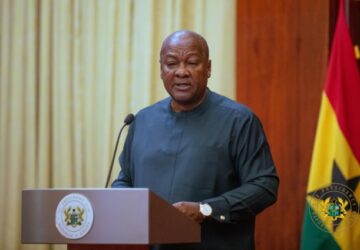
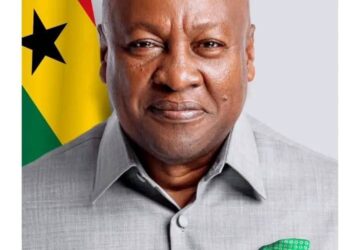
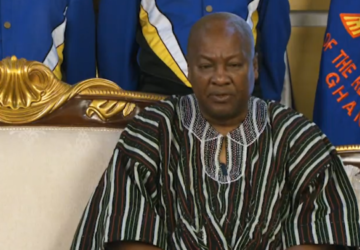
John Dramani Mahama, the flagbearer of the National Democratic Congress (NDC), has made a commitment to reinstate automatic job placement for nursing trainees if he is elected into office. Additionally, he has promised to review the existing allowance system for nursing students to better address their concerns.
While addressing students of the Ntotronso Nursing and Midwifery College in the Ahafo Region, Mahama emphasized the NDC’s dedication to improving the educational experience for future students by eliminating academic user fees for first-year university students.
Mr.John Mahama
“I know all the problems you have with your allowances and everything, and we are going to come and make things better for you. We are going to come and restore automatic posting so that when you come out of school, you can get a job as quickly as possible,” he assured the students.
He added, “And your younger brothers and sisters who are going to come after you, when they come to the first year, they are not going to pay any school fees.”
Mahama also reaffirmed his intention to complete ongoing hospital construction projects, which he believes will create additional employment opportunities for nursing graduates. He urged the students to support the NDC in the upcoming elections on December 7.
“We are going to continue all the hospitals that are being built so that we can employ as many of you as possible. And so, as I have explained to your patron, I will create a proper programme and come and speak to you.“But for now, I said I cannot pass you by. I wish you very well. Make sure that you keep your voting cards well on 7th December, vote for a change, and vote for the 24-hour economy,” he concluded.