Skip to content
Menu
Menu

2027 BUDGET:Agriculture sector – My analysis & perspective


Agriculture is about 20% of our economy, almost 40% of our jobs and nearly 25% of our export earnings. That is the Finance Minister’s own description in the 2027 Budget.

Yet the Ministry of Food and Agriculture gets GH¢2.9bn out of GH¢389.2bn in total spending. That is less than 1%. Adding GH¢400m for fisheries does not change it.


tntnewspapergh.com


The Budget reports that agricultural sector growth slowed from 6.8% in the first half of 2025 to 3.9% in the first half of 2026. Even more worrying, the fishing subsector contracted by 22.5%. The same budget admits that we spend billions of dollars every year importing food we can grow and that we have a fish supply gap of about 500,000 tonnes.

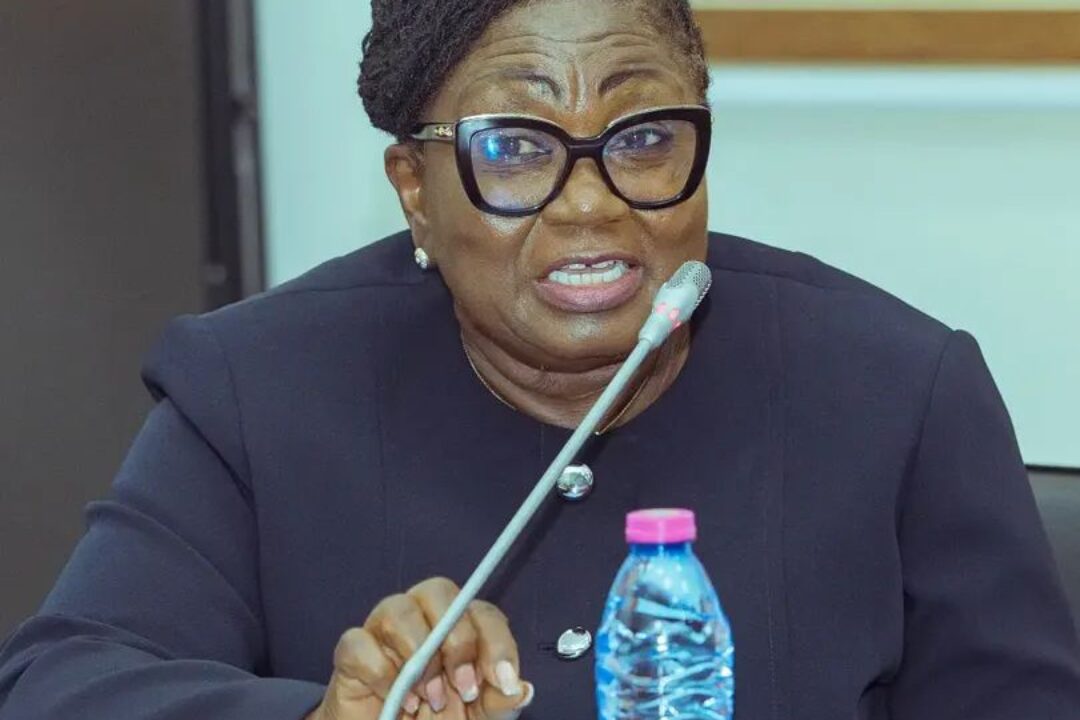
Madam Patricia Appiagyei (Mama Pat)

These are not just statistics. They represent real challenges for farmers, fishing communities, food production, and the livelihoods of thousands of Ghanaians.


The government will point to its allocations: GH¢800 million for agricultural machinery, GH¢515 million for fertiliser and certified seeds, GH¢500 million for silos, GH¢245 million for the Poultry Farm-to-Table Project, GH¢200 million for Buffer Stock and GH¢105 million for irrigation.

But the fundamental question is this: Are these budget announcements translating into meaningful improvements in the lives of our farmers and the country’s food security?
Consider the Farmer Service Centres. After allocating GH¢690 million to operationalise the initiative in the 2026 Budget, the 2027 Budget reports that construction commenced on only 10 centres.

Yet, the government is already allocating another GH¢800 million for Phase Two. Where is the evidence that the first phase has delivered the promised benefits to farmers? We can not continue to celebrate new allocations without accounting for previous commitments.




Related Stories
Popular Stories