Religious Affairs Sampa chieftaincy dispute: Rise above partisanship, respect the law & traditional authorities-Concerned Asante Youth to govt Officials Isaac Amoah June 8, 2026
Religious Affairs Heir to Kobrease stool rejects role over religious beliefs, runs from community…as family head promises handsome reward again for her whereabouts Isaac Amoah June 1, 2026
Religious Affairs National House of Chiefs commends Parliamentary Select Committee on Chieftaincy,Culture & Religious Affairs…pledges to work together with them to prevent disputes Isaac Amoah May 14, 2026
Religious Affairs Chiefs must stay away from partisan politics to ensure fair justice & peace -Ahafo Ano South West MP emphasises Isaac Amoah May 14, 2026
Religious Affairs All is set for swearing-in of Nana Kwame Nnuro Agyapong II as Nkosuohene of New Juaben traditional area Isaac Amoah May 8, 2026
Religious Affairs “I’ve forgiven her”- Pentecost chair replies Chief of Staff after apology on behalf of Free Zones CEO Isaac Amoah April 27, 2026
Religious Affairs Aps.Eric Nyamekye:Galamsey forces Church of Pentecost to abandon river baptisms Isaac Amoah April 24, 2026
Religious Affairs ‘Power is transient; stay out of chieftaincy matters’-Asantehene cautions politicians Isaac Amoah April 21, 2026
Religious Affairs Spiritual Awakening in Kumasi:Calvary Charismatic Center (CCC) to host Rev. Eastwood Anaba for “Spirit of Revival Isaac Amoah April 19, 2026
Religious Affairs Easter celebration: Let’s reflect on values of love, humility & unity for national development-COKA urges Ghanaians Isaac Amoah April 6, 2026
Religious Affairs Focus on propagation of the gospel instead of anti-gay law – KMA PM to clergy & others Isaac Amoah April 6, 2026
Religious Affairs Juaben MP donates to the Muslim community in Juaben Constituency Isaac Amoah March 22, 2026
Religious Affairs MTN Ghana donates big to Ashanti Regional Chief Imam to celebrate Eid-ul-Fitr Isaac Amoah March 17, 2026
Religious Affairs Moon sighting for Ramadan 2026 sets for February 18- Chief Imam’s office announces Isaac Amoah February 16, 2026
General News,Religious Affairs All is set for CCC’s Start Well conference 2026 with Pastor Mensa Otabil in Kumasi Isaac Amoah January 20, 2026
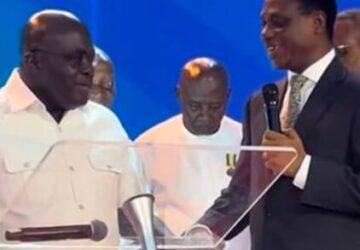
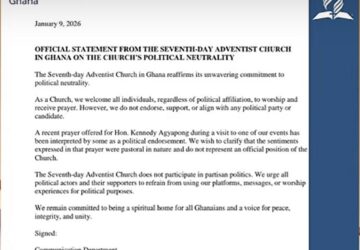
Religious Affairs SDA Church urges all political actors & their supporters to refrain from using their platforms for political purposes Isaac Amoah January 10, 2026
Religious Affairs Desist from politicisation of national development issues – Apostle Ackah Braimah advises Ghanaians Isaac Amoah January 6, 2026
Religious Affairs Quality leadership is needed for Ghana’s transformation- Pastor Joshua Obeng declares Isaac Amoah January 1, 2026
Religious Affairs Christmas Message from PRINPAG President, David Tamakloe Isaac Amoah December 26, 2025
Religious Affairs A/R:High Court declares Micaiah Addai’s election as 7th Day Pentecostal Leader null & Void Isaac Amoah December 20, 2025
Religious Affairs Let’s continue to invest in the kingdom business to win more souls – Apostle Ackah Braimah urges Christians Isaac Amoah December 11, 2025
Religious Affairs Evangelist Kofi Job reveals Shocking prophecy about Ghana’s prosperity under Prez.Mahama Isaac Amoah November 30, 2025
Religious Affairs Methodist Church rejects discrimination claims, says Wesley Girls’ has accepted all faiths for over 189-years Isaac Amoah November 28, 2025
Religious Affairs Climax of Ejura Sekyerene festival Showcases rich Asante traditions & culture Isaac Amoah October 11, 2025
Religious Affairs Tension brews as Tijjanniya Muslim Council rejects legitimacy of National Muslim Conference Isaac Amoah September 24, 2025
Religious Affairs Resetting the National Leadership Crisis of the Islamic Religion in Ghana: An open petition to Prez Mahama Isaac Amoah September 13, 2025
Religious Affairs CPIC Commiserates with Nation Over Helicopter Crash Victims Isaac Amoah August 11, 2025
Religious Affairs Caravan of Prayer Outreach Ministry holds 19-year anniversary in grand style Isaac Amoah July 4, 2025
Religious Affairs Gyinyasehemaa offers thanks to God at Caravan of Prayer Outreach Ministry Isaac Amoah July 4, 2025
Religious Affairs Don’t promote the use of foreign languages at the expense of our indigenous languages – Sule Baah Bitee urges Ghanaians Isaac Amoah July 4, 2025
Religious Affairs Prez Mahama calls for national unity at National Day of Prayer & Thanksgiving Isaac Amoah July 1, 2025
Religious Affairs St. Cyprian’s Anglican hosts corporate Kumasi on Rogation Sunday to foster Faith, Community, and Economic Growth Isaac Amoah May 20, 2025
Religious Affairs Let’s continue to stay in unity -Kumawu MP urges religious groups Isaac Amoah April 3, 2025
Religious Affairs MUSLIM COMMUNITY PRAISES MTN FOR ITS CONTINUED SUPPORT FOR EID-UL- FITR Isaac Amoah April 3, 2025
Religious Affairs Prez Mahama Commended for giving Muslims additional holiday to celebrate Eid- ul-Fitr Isaac Amoah April 1, 2025
Religious Affairs Eid-ul-Fitr celebration:Kennedy Agyapong commends Muslim community Isaac Amoah March 31, 2025
Religious Affairs Deliberate Undermining of Prophetic Ministry is Unacceptable Isaac Amoah March 29, 2025
Religious Affairs Creation of Hajj Village very commendable-former Abirem Assembly member Isaac Amoah March 9, 2025
Religious Affairs Govt Clarifies Hajj Village funding, dispels Taxpayer misconceptions Isaac Amoah March 2, 2025
Religious Affairs Dr. Razak Kojo Opoku writes: Who is justifying the use of public funds for construction of Hajj Village Isaac Amoah March 2, 2025
Religious Affairs Anti-LGBTQ BILL:Marriage is between a man and a woman’-Pres Mahama declares Isaac Amoah February 28, 2025
Religious Affairs Fmr Hajj Board Chairman replies 2025 Hajj Taskforce on Legacy debt Isaac Amoah February 7, 2025
Religious Affairs Enter into 2025 With Honest Attitudes-CCC Founder Encourages Ghanaians Isaac Amoah January 1, 2025
Religious Affairs Dormaahene loses NHC presidential election … as Ogyeahoho Yaw Gyebi II retains seat Isaac Amoah November 22, 2024
Religious Affairs HAS REV. BEMPAH WASHED THE BLOOD OFF JOHN MAHAMA NOW- NDC Group asks Isaac Amoah October 3, 2024
Religious Affairs Senior Journalist Kofi Asante commissioned into Ordained Ministry of Methodist Church Ghana Isaac Amoah June 23, 2024
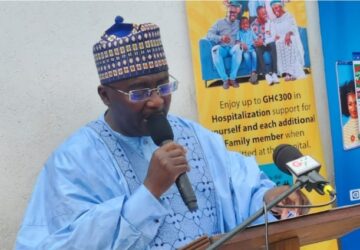
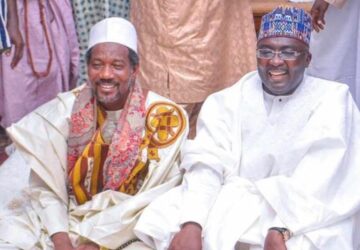
Religious Affairs Let’s figure out how to complete Nat’L Cathedral project – Alhaji Mahamudu Bawumia urges Clergy Isaac Amoah June 4, 2024
Religious Affairs Speak out on 2024 electoral concerns – Mahama to Church leaders Isaac Amoah May 20, 2024
Religious Affairs Stop chasing money and material things – Apostle Ackah Braimah cautions pastors Isaac Amoah April 25, 2024
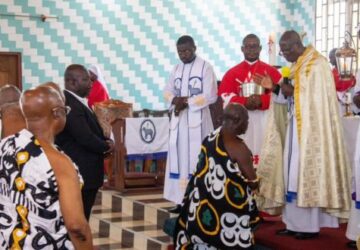
Religious Affairs Otumfuo Bows And Kneels Before Anglican Priest For Prayer; Fans React Isaac Amoah April 21, 2024
Religious Affairs Eid Ul-Fitr:Ahafo Ano South West NPP PC Pens Goodwill Message to Muslims Isaac Amoah April 11, 2024
Religious Affairs Dr.Bawumia rejects LGBTQ in emphatic Eid Message: Says “no ifs or buts. No shades of grey.” Isaac Amoah April 11, 2024
Religious Affairs Prof. Jane Opoku Agyemang Donates to Central Regional Muslim Council ahead of Eid-Ul- Fitr Isaac Amoah April 9, 2024
Religious Affairs Eid-ul-Fitr Celebration: Gov’t declares April, 11 public holiday Isaac Amoah April 4, 2024
Religious Affairs Full Text:OFFICE OF THE GBORBU WULOMO-SHITSE ON THE REPORTED MARRIAGE RITES ON NAA OKROMO IN NUNGUA LAST SATURDAY Isaac Amoah April 2, 2024
Religious Affairs Ramadan: Sir John Donates Food Items To Muslims In Abuakwa and Nkawie Zongo Isaac Amoah March 24, 2024
Religious Affairs CHRIST APOSTOLIC CHURCH OF GHANA COMMENDS PARLIAMENT FOR PASSING ANTI-LGBTQ+ BILL INTO LAW Isaac Amoah March 19, 2024
Religious Affairs Prof.Jane Naana Opoku Agyemang Sends Special Message to Muslims Isaac Amoah March 11, 2024
Religious Affairs Bawumia lauds Ahmadiyya community’s contributions to Ghana’s development Isaac Amoah February 26, 2024
Religious Affairs Apostle Ntumy Was Greatly Loved By God – Aps.Eric Nyamekye declares Isaac Amoah February 25, 2024
Religious Affairs Apostle Dr. Ntumy Survived 2 Food Poisoning, 3 Assassinations, 18 Operations – Apostle Eric Nyamekye reveals Isaac Amoah February 24, 2024
Religious Affairs Ashanti NPP Organisers Sweep Manhyia Community Ahead of Sargrenti Durbar Tomorrow. Isaac Amoah February 7, 2024
Religious Affairs I don’t support LGBTQ, it’s against my faith –John Mahama boldly declares Isaac Amoah January 31, 2024
Religious Affairs SDA Church Do Not Have Solid Case to Demand for the Change of 7th December for 2024 Elections-Razak Kojo Opoku Writes Isaac Amoah January 20, 2024
Religious Affairs Ghanaians Have Cause To Be Hopeful Of Better Life In 2024-Pastor Joshua Obeng Assures Isaac Amoah January 2, 2024
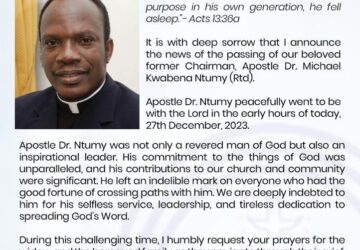
Religious Affairs OFFICIAL:Former Chairman of the church of Pentecost,Apostle Michael Ntumy passes On Isaac Amoah December 27, 2023
Religious Affairs Aps.Eric Nyamekye optimistic about swift passage of anti-gay bill Isaac Amoah December 11, 2023
Religious Affairs All is Set for 2 Days Church Workers and Couples’ Conference 2023 by Great Eternal Harvest Int. Ministry Isaac Amoah November 30, 2023
Religious Affairs The Church Of Pentecost Supports Flood Victims At Mepe, Battor Isaac Amoah October 24, 2023
Religious Affairs I Refused Range Rover, GH¢1.6m Bribe To Paralyze Chief Of Staff – Nigel Gaisie Alleges Isaac Amoah October 24, 2023
Religious Affairs Nat’L Cathedral Secretariat Refutes Duncan-Williams, Eastwood Anaba Audit Claims Isaac Amoah October 19, 2023
Religious Affairs North Tongu MP praises Duncan-Williams, Eastwood Anaba for resigning from Nat’L Cathedral Board Isaac Amoah October 18, 2023
Religious Affairs Going to church prolongs your life by 14 years-Report reveals Isaac Amoah October 11, 2023
Religious Affairs My life is in Danger-Spiritual head and President of Tijanniya Muslim Council Cries Out Isaac Amoah September 16, 2023
Religious Affairs Hon Benjamin Narteh Ayiku Donates Official 2023 Sesetse Chemise to support Teshie Homowo Festival Isaac Amoah September 1, 2023
Religious Affairs Dr.Bawumia Declares: I’m Comfortable In The Church Because Jesus Christ Is At Its Center Isaac Amoah August 22, 2023
Religious Affairs Hon .Benjamin Narteh Ayiku’s Generous Donation Emboldens Teshie’s Homowo Festival Isaac Amoah August 17, 2023
Religious Affairs Revival Life Outreach Is Now SpiritLife Community…As Church Focuses More On Spiritual Growth. Isaac Amoah August 6, 2023
Religious Affairs Alarm Blows…As Association of 7th Day Pentecostal Assemblies kicks against Polygamous Pastor Isaac Amoah July 2, 2023
Religious Affairs Stop Fighting on Social media and focus on Souls Winning-His Grace Apostle Godbless Boateng to Pastors Isaac Amoah July 1, 2023
Religious Affairs Ei- ul Adha:Alhaji Amadu Owusu Calls for Peaceful Coexistence Isaac Amoah July 1, 2023
Religious Affairs Desist from drug abuse and other social vices-Maulvi Hameed Tahir tells Muslim Youth Isaac Amoah July 1, 2023
Religious Affairs GOOD NEWS! Asantenhene to Mediate Over Bawku Conflict,commends Asabee for his efforts Isaac Amoah June 15, 2023
Religious Affairs Supreme Court Affirms Court of Appeal’s ruling Ordering fresh elections to elect New Leader of 7th Day Pentecostal Assemblies Isaac Amoah May 26, 2023
Religious Affairs Prioritise Youth, Children in Church Activities – Apostle EricNyamekye urges Church Leaders Isaac Amoah May 4, 2023