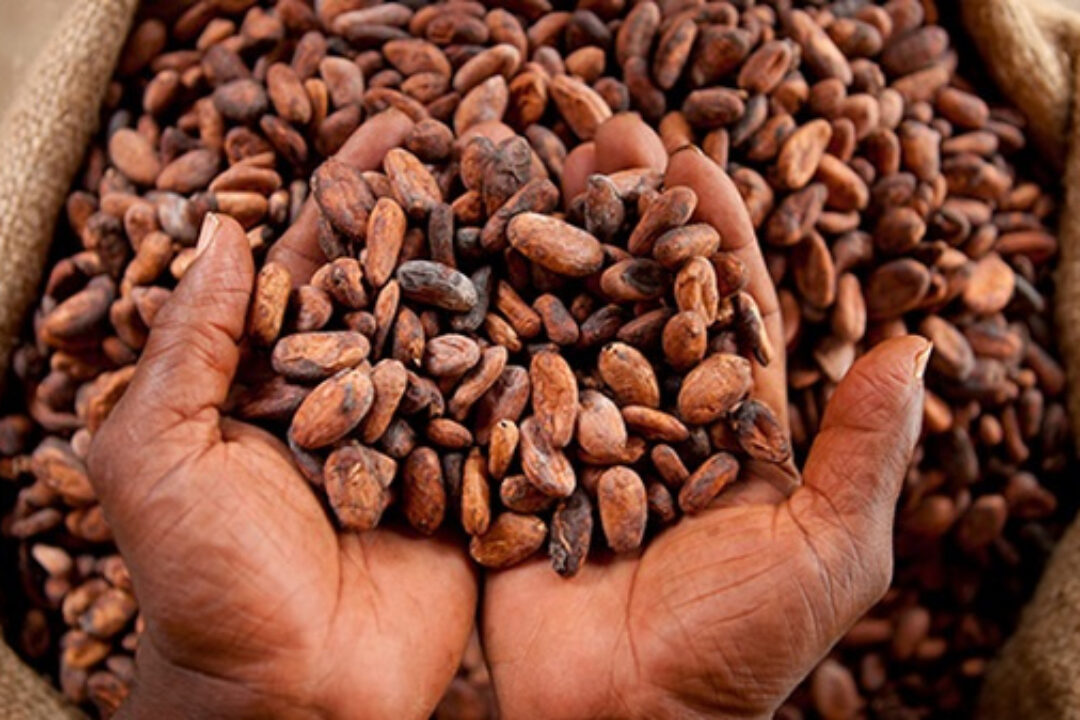
Finance Minister Dr Cassiel Ato Forson has urged international cocoa buyers to process beans in Ghana, as the government pursues plans to increase local processing to 50% by 2028 and 100% by 2030.
Speaking in an interview on Thursday after presenting the 2027 Budget to Parliament, he said Ghana must move beyond exporting raw beans for other countries to process.
“We are not saying don’t come and buy our cocoa beans, but if you are a company out there, come and buy our cocoa beans, but add value here in Ghana.”


Dr Forson argued that Ghana’s longstanding financing model encouraged buying and shipping beans abroad, allowing other economies to capture the benefits of processing.

He said a recent visit to Bangkok for the World Bank–IMF Annual Meetings reinforced his conviction about the opportunities in cocoa value addition.
“I was shocked by what they’ve done with cocoa,” he said, citing products ranging from chocolate to cocoa cognac.
Asked whether the government would use legislation to enforce local processing, the minister said the new Cocoa Board Act already included the requirement and had gone to Parliament.

“It’s mandatory. Cocoa Board has to produce 50% of its cocoa locally, processing locally.”
He said a Legislative Instrument would set out the timetable for reaching full local processing.
“The LI that will back it will specify that by 2030, by 2030, move from 50 to 100 per cent.”
Responding to questions about processing capacity, Dr Forson disclosed discussions over a proposed arrangement involving 500,000 metric tonnes of cocoa for local value addition.
He said the terms were being reviewed and identified Dangote as the interested investor.
“Dangote has reached out to use Ghana as a hub to process cocoa locally.”
The cocoa plans form part of the minister’s broader argument for modernising agriculture and reducing dependence on imported food.
Dr Forson said Ghana had land, water resources, and a youthful population that could support a stronger agricultural sector.
“The current agriculture, peasant agriculture, cannot solve the problems.”
He put annual food imports at about US$3.5 billion and questioned why Ghana continued to import palm oil, sugar, rice, chicken, and vegetables.
“We spend about 3.5 billion United States dollars yearly to bring foodstuffs into our country. It can not continue.”
He also questioned why more land could not be used to grow soybean and maize to supply the poultry industry.
For Dr Forson, investing in commercial agriculture and local processing offers a way to use Ghana’s resources better while keeping more value in the economy.
Source: Abubakar Ibrahim