Skip to content
Menu
Menu

Ghanaians want jobs, lower living costs in 2027 Budget – KPMG/UNDP survey

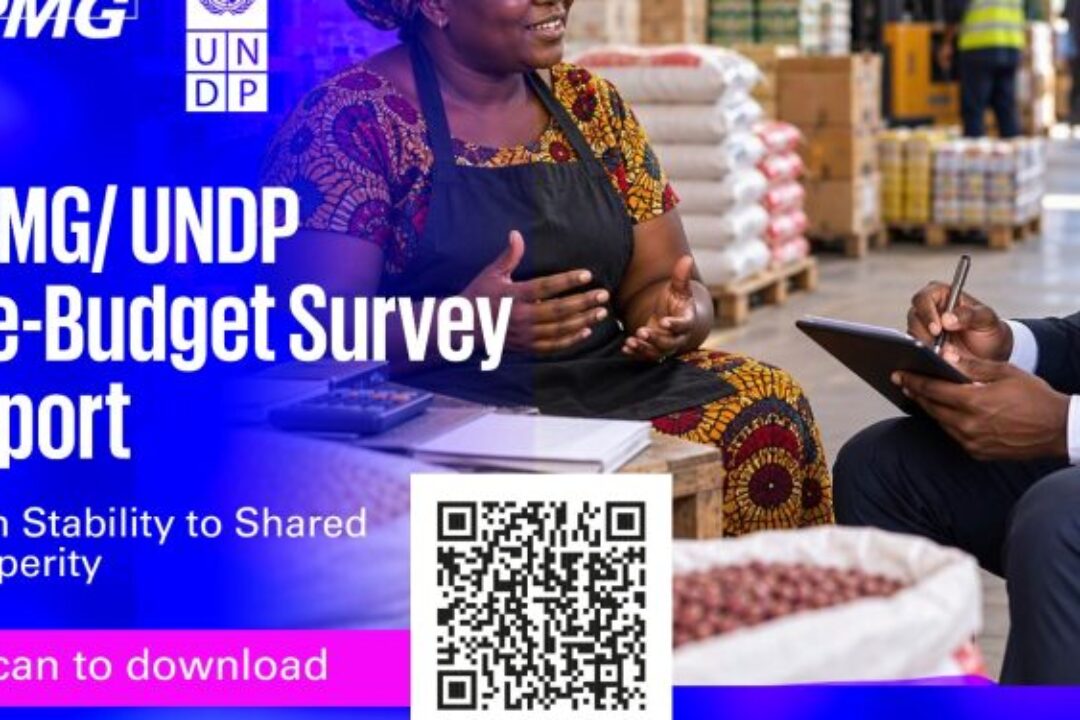
Job creation and the rising cost of living have emerged as the leading concerns Ghanaians want government to address in the 2027 Budget, according to a pre-budget survey by KPMG and the United Nations Development Programme (UNDP).

The findings suggest that citizens want the improving macroeconomic conditions to translate into more employment opportunities and relief from the cost of living.

About 71 per cent of respondents identify jobs and youth employment as the country’s top national priority, making it the most prominent concern in the survey.


tntnewspapergh.com


The cost of living ranks second, cited by 54 per cent of respondents. This highlights the continued pressure on household budgets despite the recent decline in headline inflation.

Electricity supply is another major concern, with 34 per cent of respondents identifying it as a priority. A further 22 per cent want stronger action against illegal mining, commonly known as galamsey.

The survey also points to the wider economic cost of illegal mining, with 90 per cent of respondents saying the practice damages the business environment.

For businesses, the priorities are closely linked to the concerns raised by citizens.


 Business growth and competitiveness rank highest, cited by 59 per cent of respondents, followed closely by job creation at 58 per cent.

Access to finance remains a major constraint for 36 per cent of businesses, while 32 per cent identify infrastructure development as a priority.

The findings point to the importance of creating conditions for businesses to expand, invest and employ more people.

Tax predictability and reliable power remain key business demands
The survey also highlights what businesses expect from government as it prepares the 2027 Budget.

About 90 per cent of businesses say advance notice of tax changes is important for planning, while 64 per cent want at least four months’ notice before new tax measures take effect.

Reliable electricity is another concern. Only 36 per cent of respondents describe the current power supply as reliable, reinforcing calls for improvements in distribution and service delivery.

On access to finance, the report recommends measures that make credit more accessible and affordable, particularly for small and medium-sized enterprises.

It also points to the need for greater efficiency and transparency in public spending. Some 44 per cent of respondents express low confidence in the efficiency of government expenditure.

Budget expectations extend beyond economic stability

The survey reveals economic stability must be reflected in improved living conditions and stronger employment prospects.

That means households want more jobs and relief from the cost of living.

Businesses on the other hand, want predictable tax policies, reliable infrastructure and access to finance to support expansion.

The task for government will be to ensure that its spending and policy priorities respond to these concerns, while creating an environment in which businesses can grow and generate sustainable employment.Source:Nii Larte Lartey




Related Stories
Popular Stories