Skip to content
Menu
Menu

Set aside 1% of national revenue for constituency development fund & scrap MP’s common funds-Former Local Govt Minister proposes

By:tntnewspaprgh.com

The former Minister for Local Government and Rural Development during former President John Agyekum Kufuor’s administration, Mr.Kwadwo Adjei Darko,has proposed for the scrapping of MP’s common because it has no constitutional backing.

He has therefore called on the various Metropolitan, Municipal and District Assemblies (MMDAs) to consult the Constitutional Review Committee to reconsider a proposal to sure that One percent of the national revenue is set aside for “Constituency Development Fund “.

He suggested that the Members of Parliament should be let to manage the funds with specific projects, but the disbursement should be done by the expending officers of the various MMDAS.


tntnewspapergh.com


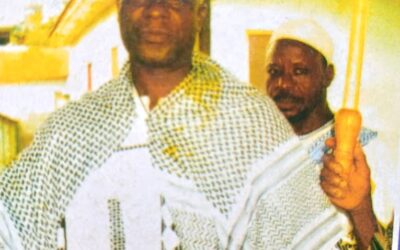
Mr. Kwadwo Adjei Darko speaking at the ceremony

Adding that the Presiding Members, especially should lead the charge to consult the Constitutional Review Committee to consider the proposal that allowances of Presiding Members and Assembly members are paid from the consolidated fund.

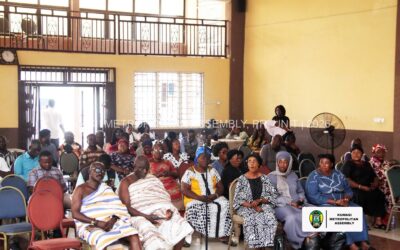
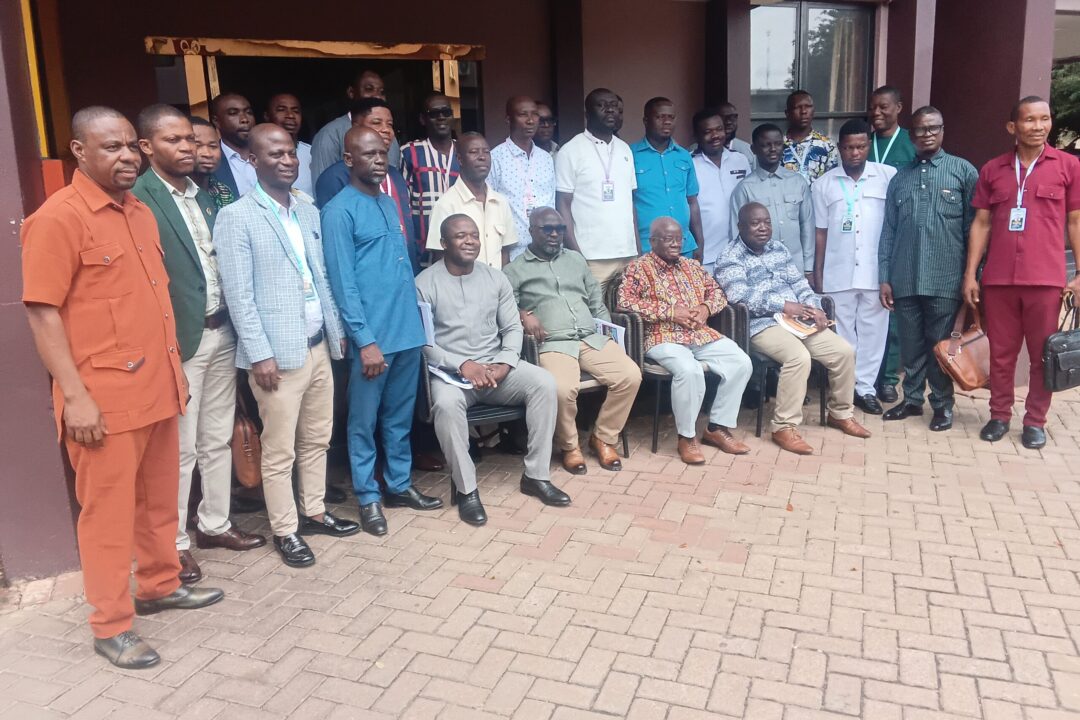
Mr.Adjei Darko made the proposal when he delivered a statement on the theme ” Leading change at grassroots, The role of Presiding members ” at the 3-day conference of Presiding Members, Ashanti Region.


He pointed out that the current monthly allowance which is been paid by the current government to Assembly members has no constitutional backing and can be abolished or cancelled by future governments.

The former Minister/MP recounted that the PNDC introduced the District Assembly and Sub-district structures in 1988.

However, the PNDC saw the District Assemblies as extension of the central Government.The decentralization practiced under the PNDC law 207 from 1988 to the coming into force of the 1992 Constitution, could best be described as a “deconcentration”, which involved the transfer of responsibility or authority but no resources.

The 1992 constitution sought to improve upon the concept of decentralization with the introduction of the District Assemblies Common Fund (Article 252). Also, Article 240 enjoins Parliament to
enact laws to ensure the transfer of functions, powers, responsibilities, and resources from the central government to the local government units.

He said one could, therefore, say that decentralization has been taken to another level, which could be described as “delegation.” For us to achieve democratic decentralization or what is termed as “devolution,” there is the need for accountability in addition to the transfer of responsibility and resources.

Mr. Adjei Darko said that to make the DCE and the Assembly more accountable to the people, the Constitutional Review Committee has proposed the election of DCE.
According to him,while supporting this proposal, “we may have to look at a possible grey area, which may result in conflicts and tension in the assembly. I am talking about the continuous membership of the MP of the District Assembly. Now that both the DCE and MP are going to derive their legitimacy from the same electorate, or sometimes more in the case of the DCE in a more than one constituency district and both to be accountable to the same electorate,
we may have to consider the relevance of the MP in the District Assembly and hence his continuous membership. ”

He argued further that whereas at the national level, legislative powers rest with Parliament and executive powers with the Executive, the District Assembly has both legislative and executive powers in addition to deliberative powers.

He said the two key actors in the District Assembly are the Presiding Member and the DCE.

Touching on the importance role of the Presiding members for the various MMDAs,the local government expert said Presiding Member,in the exercise of the assembly’s legislative and deliberative powers, the Presiding Member is the chairperson of the meeting.

His position could be likened to that of the Speaker of Parliament except that:

a) The Speaker of Parliament is not a Member of Parliament, whereas the Presiding Member is a member of the District Assembly.

b) The Speaker of Parliament does not take part in a debate in the House; the Presiding Member, while chairing all general and special meetings of the Assembly and maintaining order and enforcing the standing orders, can also take part in a debate.

c) The Speaker of Parliament does not vote when Parliament is taking a decision on an issue. He only puts the questions to a vote and declares the results.

The Presiding Member puts the questions to a vote, takes part in the vote, and declares the results. He also has a casting vote.

2) The PM chairs the Audit Report, Implementation committee in order to reduce waste and promote accountability.

3) As head of the Assembly, the PM is supposed to represent the Assembly at official functions of the Assembly and community engagements. Note that the DEC is the chairman of the executive committee and the representative of the central government in the district.
He maintained that the District Assembly is the creation of the constitution and is not an extension of the central Government although the activities and programs of District Assemblies should, as much as possible, be in line with the national aspirations.
Mr,Kwadwo Adjei Darko said as Presiding Member who chairs all general meetings of the Assembly, “I would want you to take note of some procedural errors most Assemblies commit during meetings. In the district assembly concept what is; (a) Sitting (b) Meeting (c) Session By the Standing Orders, the Assemblies are to have at least three Meetings in a year (I.e one Session). There may be one, two, or three Sittings in a Meeting depending on what is before the Assembly. To understand what I consider as procedural error, let us examine the Model Standing Orders. Order 53(1)- Agenda for meetings.

a) Election of PM, if necessary

b) Appointment of Executive Committee, if necessary

c) Constitution of sub-committee, if necessary

d) Sessional address by the DCE, if necessary

e) Approval of minutes of previous meetings

i) Reports from members of the Assembly

j) Questions in the order in which they have been received.

Clearly, a Sessional address by the DCE must be delivered once a year at the first sitting of the first Meeting.Then, much time is spent on discussing the DCE’s address during the first day of sitting in that meeting to the exclusion of other important items on the agenda.

For example, how often do Presiding Members allot reasonable time for individual assembly members to present reports from their electoral areas. The assembly member, by Act 936, is obliged to maintain close contact with the electoral area and present the views, opinions, and proposals from the electoral area. It is through the reports submitted by individual assembly members that the District Assembly would be able to formulate policies and undertake activities that will resolve the challenges in the communities.

To conclude, I would want to say that PM is not only an assembly member. He must realize that he is a key actor in the Local Governance”.


Popolar Stories

Set aside 1% of national revenue for constituency development fund & scrap MP’s common funds-Former Local Govt Minister proposes

By:tntnewspaprgh.com

The former Minister for Local Government and Rural Development during former President John Agyekum Kufuor’s administration, Mr.Kwadwo Adjei Darko,has proposed for the scrapping of MP’s common because it has no constitutional backing.

He has therefore called on the various Metropolitan, Municipal and District Assemblies (MMDAs) to consult the Constitutional Review Committee to reconsider a proposal to sure that One percent of the national revenue is set aside for “Constituency Development Fund “.

He suggested that the Members of Parliament should be let to manage the funds with specific projects, but the disbursement should be done by the expending officers of the various MMDAS.


tntnewspapergh.com


Mr. Kwadwo Adjei Darko speaking at the ceremony

Adding that the Presiding Members, especially should lead the charge to consult the Constitutional Review Committee to consider the proposal that allowances of Presiding Members and Assembly members are paid from the consolidated fund.

Mr.Adjei Darko made the proposal when he delivered a statement on the theme ” Leading change at grassroots, The role of Presiding members ” at the 3-day conference of Presiding Members, Ashanti Region.


He pointed out that the current monthly allowance which is been paid by the current government to Assembly members has no constitutional backing and can be abolished or cancelled by future governments.

The former Minister/MP recounted that the PNDC introduced the District Assembly and Sub-district structures in 1988.

However, the PNDC saw the District Assemblies as extension of the central Government.The decentralization practiced under the PNDC law 207 from 1988 to the coming into force of the 1992 Constitution, could best be described as a “deconcentration”, which involved the transfer of responsibility or authority but no resources.

The 1992 constitution sought to improve upon the concept of decentralization with the introduction of the District Assemblies Common Fund (Article 252). Also, Article 240 enjoins Parliament to
enact laws to ensure the transfer of functions, powers, responsibilities, and resources from the central government to the local government units.

He said one could, therefore, say that decentralization has been taken to another level, which could be described as “delegation.” For us to achieve democratic decentralization or what is termed as “devolution,” there is the need for accountability in addition to the transfer of responsibility and resources.

Mr. Adjei Darko said that to make the DCE and the Assembly more accountable to the people, the Constitutional Review Committee has proposed the election of DCE.
According to him,while supporting this proposal, “we may have to look at a possible grey area, which may result in conflicts and tension in the assembly. I am talking about the continuous membership of the MP of the District Assembly. Now that both the DCE and MP are going to derive their legitimacy from the same electorate, or sometimes more in the case of the DCE in a more than one constituency district and both to be accountable to the same electorate,
we may have to consider the relevance of the MP in the District Assembly and hence his continuous membership. ”

He argued further that whereas at the national level, legislative powers rest with Parliament and executive powers with the Executive, the District Assembly has both legislative and executive powers in addition to deliberative powers.

He said the two key actors in the District Assembly are the Presiding Member and the DCE.

Touching on the importance role of the Presiding members for the various MMDAs,the local government expert said Presiding Member,in the exercise of the assembly’s legislative and deliberative powers, the Presiding Member is the chairperson of the meeting.

His position could be likened to that of the Speaker of Parliament except that:

a) The Speaker of Parliament is not a Member of Parliament, whereas the Presiding Member is a member of the District Assembly.

b) The Speaker of Parliament does not take part in a debate in the House; the Presiding Member, while chairing all general and special meetings of the Assembly and maintaining order and enforcing the standing orders, can also take part in a debate.

c) The Speaker of Parliament does not vote when Parliament is taking a decision on an issue. He only puts the questions to a vote and declares the results.

The Presiding Member puts the questions to a vote, takes part in the vote, and declares the results. He also has a casting vote.

2) The PM chairs the Audit Report, Implementation committee in order to reduce waste and promote accountability.

3) As head of the Assembly, the PM is supposed to represent the Assembly at official functions of the Assembly and community engagements. Note that the DEC is the chairman of the executive committee and the representative of the central government in the district.
He maintained that the District Assembly is the creation of the constitution and is not an extension of the central Government although the activities and programs of District Assemblies should, as much as possible, be in line with the national aspirations.
Mr,Kwadwo Adjei Darko said as Presiding Member who chairs all general meetings of the Assembly, “I would want you to take note of some procedural errors most Assemblies commit during meetings. In the district assembly concept what is; (a) Sitting (b) Meeting (c) Session By the Standing Orders, the Assemblies are to have at least three Meetings in a year (I.e one Session). There may be one, two, or three Sittings in a Meeting depending on what is before the Assembly. To understand what I consider as procedural error, let us examine the Model Standing Orders. Order 53(1)- Agenda for meetings.

a) Election of PM, if necessary

b) Appointment of Executive Committee, if necessary

c) Constitution of sub-committee, if necessary

d) Sessional address by the DCE, if necessary

e) Approval of minutes of previous meetings

i) Reports from members of the Assembly

j) Questions in the order in which they have been received.

Clearly, a Sessional address by the DCE must be delivered once a year at the first sitting of the first Meeting.Then, much time is spent on discussing the DCE’s address during the first day of sitting in that meeting to the exclusion of other important items on the agenda.

For example, how often do Presiding Members allot reasonable time for individual assembly members to present reports from their electoral areas. The assembly member, by Act 936, is obliged to maintain close contact with the electoral area and present the views, opinions, and proposals from the electoral area. It is through the reports submitted by individual assembly members that the District Assembly would be able to formulate policies and undertake activities that will resolve the challenges in the communities.

To conclude, I would want to say that PM is not only an assembly member. He must realize that he is a key actor in the Local Governance”.




Related Stories
Popular Stories