The Bretton Woods (International Monetary Fund and World Bank Group) order is fraying. Sanctions have weaponized reserves, debt distress has crippled commodity exporters, and persistent inflation has eroded confidence in fiat anchors.
From Washington to Nairobi, central bankers are asking the same question: What can credibly back our currencies in a fragmented world? Ghana has built a bridge. And its architect is Dr. Mahamudu Bawumia.
Dr. Bawumia is not a theorist sketching ideas from the sidelines. Oxford-trained economist, former Deputy Governor of the Bank of Ghana, and Vice President who led Ghana’s digital transformation, he has spent two decades turning monetary theory into operational policy.


Faced with a dollar shortage and an IMF programme that capped direct dollar intervention at $80m, Ghana could have collapsed. Instead, under his stewardship, Ghana pioneered two instruments at scale: The Domestic Gold Purchase Programme and Gold-for-Oil.
The results were tangible. Gold reserves rose from 8 tons to over 31 tons. Gross International Reserves hit over $9 billion for the first time in the history of the country, exceeding IMF targets by end-2024, creating the buffer that allowed the cap to be lifted effectively in 2025.
The cedi found an anchor when dollars were scarce. The IMF itself has acknowledged both the reserve gains and the significant balance-sheet costs — proof that the instrument is powerful enough to matter.

In doing so, Dr. Bawumia settled an old debate: Gold is not a relic. It is infrastructure.
What is the Bawumia doctrine?
It is not a return to the rigid gold standard of the 20th century. It is a hybrid, built on three principles:
- Flexibility Over Fixity. Classical gold standards failed because they fixed exchange rates to a finite metal stock. Bawumia’s model uses gold as a backing instrument and liquidity buffer — a 5-15% tranche of reserves and a medium for strategic commodity settlement — while preserving floating rates and independent monetary policy. Credibility without handcuffs.
-
Digitization and Transparency. As the architect of Ghana’s digitalization of government and payments, Dr. Bawumia understands that a modern gold framework must be auditable, tokenized, and interoperable. Trust is engineered through code and independent verification, not just vaults.

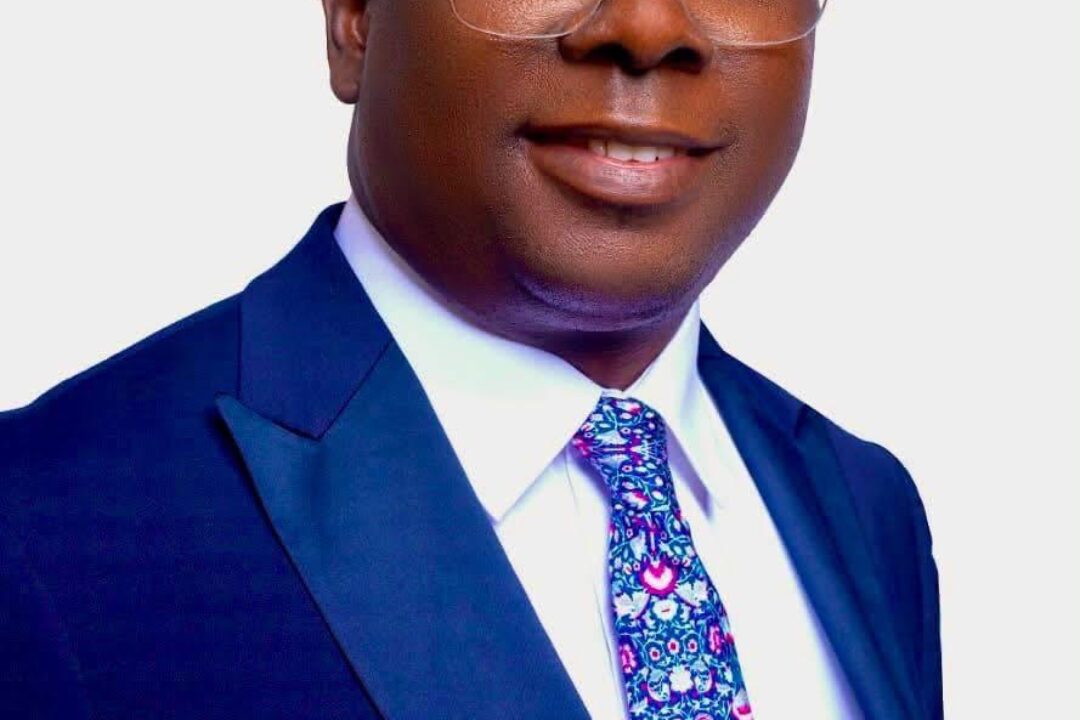
Dr.Gideon Boako
- Development-First Design. For commodity-producing nations across Africa, Latin America and Asia, this is a path to monetize natural wealth without Dutch disease.
By channeling domestically produced gold into reserves, countries reduce external borrowing costs, dampen currency crises, and retain value onshore. For all economies, it is a hedge against over-reliance on any single reserve currency.
Why the world should listen now
Three global shifts make this doctrine urgent:
First, de-risking reserves. In a world of sanctions and freezing of sovereign assets, gold held domestically and digitally verified offers jurisdictional safety.
Second, stabilizing commodity trade. Energy importers need settlement mechanisms immune to FX whiplash. Ghana’s Gold-for-Oil pilot offers a template.
Third, anchoring monetary innovation. As central banks explore digital currencies, a calibrated gold tranche provides a credibility bridge for adoption, especially in emerging markets.
Africa’s contribution
For too long, monetary innovation has been exported to Africa, not from it. Dr. Bawumia reverses that flow. This is thought leadership measured not in citations, but in reserves purchased and volatility reduced.
The Bretton Woods order may be fraying, but the next order is being drafted. Ghana has shown that the blueprint can include gold — not as nostalgia, but as stability. Not as constraint, but as sovereignty.
The bridge has been built. It is time for policymakers to cross it.
If this Bawumia Doctrine of Gold-backed stability is followed stricto sensu, it removes the monetary reason for IMF bailout. What remains is only the fiscal reason — overspending.
If we combine gold-backed reserves with the fiscal discipline Dr. Bawumia has always advocated — zero tolerance for unbudgeted expenditure and strict adherence to the Fiscal Responsibility Act — then yes, Ghana can credibly exit the boom-bust-IMF cycle for good.
By Dr Gideon Boako (MP)