Nine years ago today, on 12 September 2017, Ghana moved from a long-standing political promise to the implementation of Free Senior High School under the leadership of President Nana Addo Dankwa Akufo-Addo. For years, Free SHS had been debated, questioned and, in some quarters, considered too ambitious to implement at the scale proposed. By 2017, however, the real test was no longer whether the idea sounded good. It was whether government could turn that commitment into something Ghanaian families could actually experience.

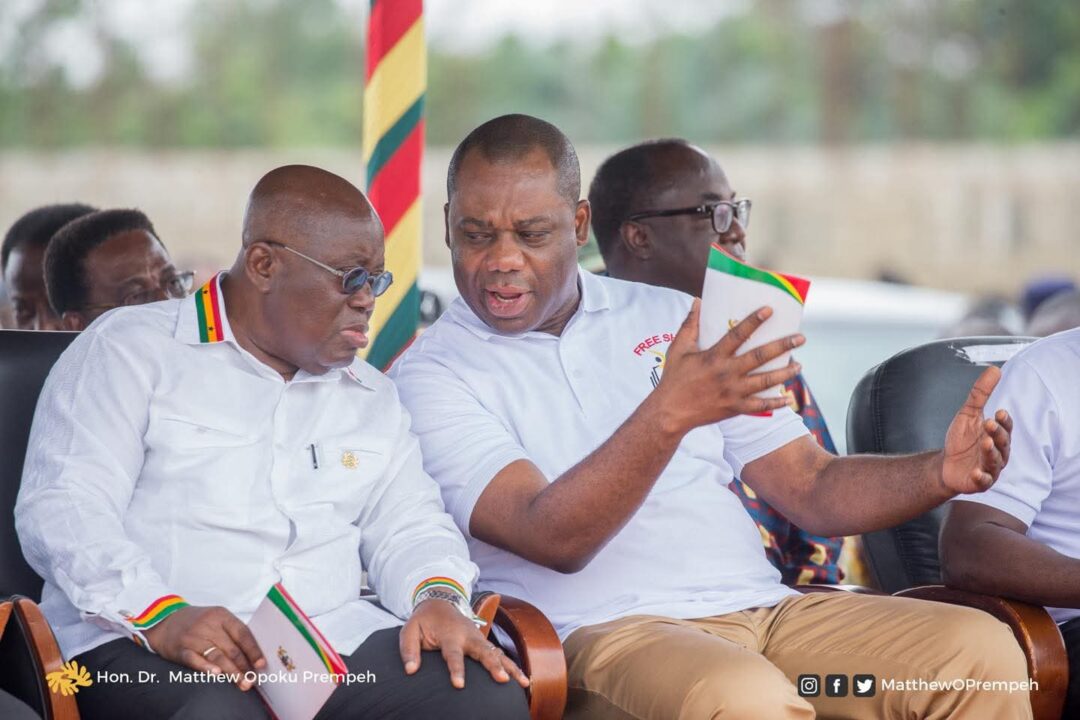
Nana Akufo-Addo and Dr.Mathew Opoku Prempeh (Napo)


As Minister for Education at the time, I had the privilege of leading that implementation together with the Education Ministry and its agencies, teachers, public servants, education professionals and many others who worked behind the scenes. For many families, Free SHS became a major social intervention against one of the quiet ways in which poverty limits opportunities. A child’s transition to secondary school should not depend solely on whether the family can pay.

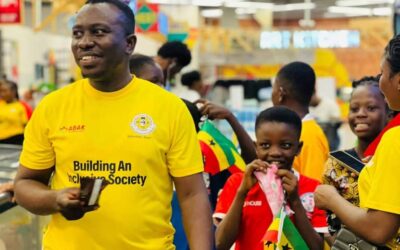
Displayed of placards and excitement by parents & students
But implementation also taught us that when more students enter the system, the rest of the system must grow with them. Classrooms, teachers, feeding, financing, placement, school management and infrastructure all came under greater pressure. We therefore had to respond while the policy was already in motion. Double Track was introduced as a temporary measure to accommodate increased enrolment; infrastructure expansion had to continue, teacher supply and management had to be strengthened, and the administrative systems supporting secondary education had to adapt to a much larger student population.

That experience reinforced that reform at scale brings new pressures that government must address to strengthen the system and improve implementation. It is also why current concerns about school placement should be treated as a systems challenge, rather than as hundreds of separate problems for frustrated parents to solve. Better data, clearer rules, stronger digital support, decentralised resolution and faster feedback can make the system work better for families.
Perhaps one of the most significant things about Free SHS nine years later is that it has moved beyond the politics of its birth. Governments change, political parties exchange places, and approaches to implementation may differ, but where a policy is helping Ghanaian families, every government should have a responsibility to preserve what works, correct what does not, and leave the system stronger than it found it.
Nine years on, I am proud of the role I played in those early years, but the bigger question is where we take education from here. Access must increasingly lead to quality. Education must lead to skills, skills must lead to opportunity, and opportunity must lead to the kind of development Ghana needs.
Free SHS opened the door, but the next task is to make sure education leads somewhere.
Good ideas matter but execution gives them meaning. And good policy should be strong enough to survive politics.