Skip to content
Menu
Menu

Ghana to cut $500m rice import bill with $18.8m REWARD project-Agric Minister declares

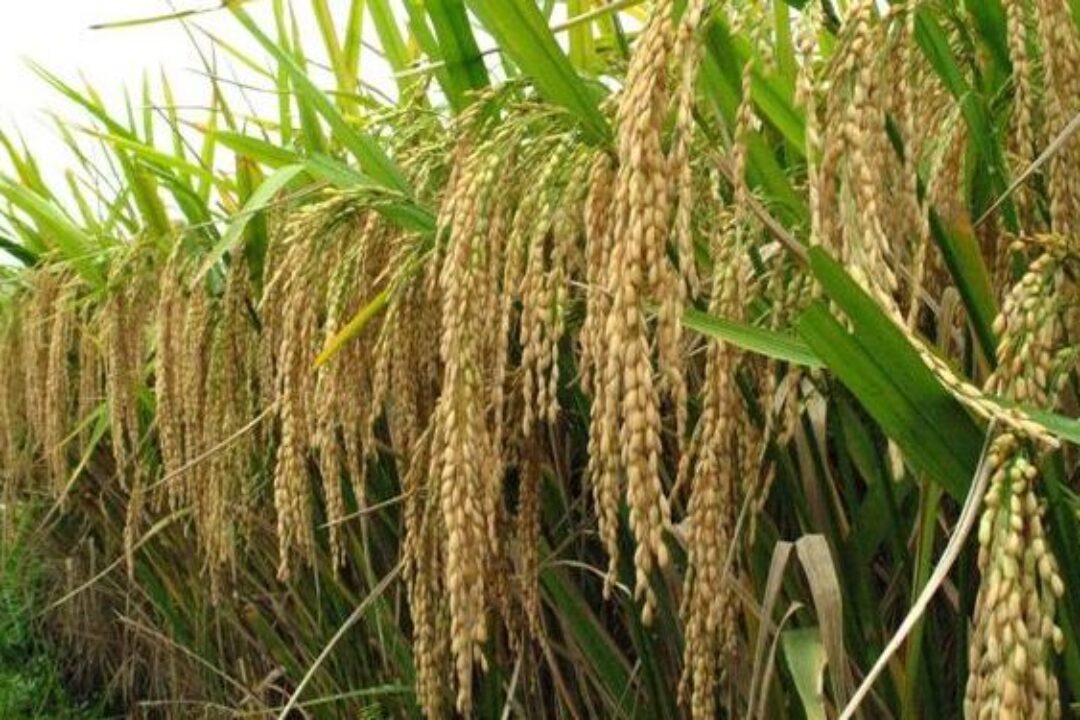
The Ministry of Food and Agriculture will formally unveil the $18.8 million Regional West African Resilient Rice Value Chains Project (REWARD) in November 2026, ahead of the 2027 rice production season.

Ghanaian Business Directory

Agriculture Minister Eric Opoku said the African Development Bank-funded project is designed to address key bottlenecks in Ghana’s rice value chain and help reduce the country’s reliance on imports.

“The ministry, in consultation with the bank, plans to formally launch the REWARD project in the first week of November 2026 so that the project is in place for the 2027 production season in the project areas.”


tntnewspapergh.com


Boosting rice production                                   Eric Opoku

The project will develop 3,200 hectares of land for rice production in Ghana’s northern savannah ecological zone and provide farmers with improved seeds, mechanisation and other inputs to boost productivity.

It is expected to benefit more than 20,000 smallholder farmers across selected districts, while supporting rice processors, aggregators and other value-chain actors.


The intervention forms part of government’s broader target of achieving rice self-sufficiency by 2028, with a national target of 3.31 million metric tonnes of paddy production.

Mr. Opoku said milled rice production increased from about 650,000 tonnes in 2024 to 960,000 tonnes in 2025.

However, local production currently meets only about 56% of national demand, leaving a 44% gap that is filled through imports.

Reducing import dependence

According to Mr. Opoku, Ghana spends approximately $500 million annually on rice imports, representing significant foreign exchange outflows that could instead support local farmers and

“That is money that could be earned by Ghanaian farmers, millers, and traders.”

The government is also preparing to link rice import quotas to local investment, with importers expected to establish verifiable partnerships with domestic producers before receiving import permits.

Mr. Opoku stressed that the policy is not intended to ban rice imports but to encourage greater investment in domestic production.

“We are not banning imports, which will only hurt consumers. Instead, we are channeling the value of imports into local production and empowering our farmers.”

Expanding processing capacity

The REWARD project will also support the establishment and upgrading of 10 strategically located rice processing centres, improve storage facilities and strengthen links between farmers and markets.

Separately, Japan has provided a $2.5 million grant to support the rice value chain with equipment, including eight combined harvesters and 11 seed-cleaning machines.

The equipment is expected to arrive in November 2026 as government intensifies efforts to narrow the gap between domestic rice production and demand.

Source: Daniel Oduro Mensah


Ghana to cut $500m rice import bill with $18.8m REWARD project-Agric Minister declares

The Ministry of Food and Agriculture will formally unveil the $18.8 million Regional West African Resilient Rice Value Chains Project (REWARD) in November 2026, ahead of the 2027 rice production season.

Ghanaian Business Directory

Agriculture Minister Eric Opoku said the African Development Bank-funded project is designed to address key bottlenecks in Ghana’s rice value chain and help reduce the country’s reliance on imports.

“The ministry, in consultation with the bank, plans to formally launch the REWARD project in the first week of November 2026 so that the project is in place for the 2027 production season in the project areas.”


tntnewspapergh.com


Boosting rice production                                   Eric Opoku

The project will develop 3,200 hectares of land for rice production in Ghana’s northern savannah ecological zone and provide farmers with improved seeds, mechanisation and other inputs to boost productivity.

It is expected to benefit more than 20,000 smallholder farmers across selected districts, while supporting rice processors, aggregators and other value-chain actors.


The intervention forms part of government’s broader target of achieving rice self-sufficiency by 2028, with a national target of 3.31 million metric tonnes of paddy production.

Mr. Opoku said milled rice production increased from about 650,000 tonnes in 2024 to 960,000 tonnes in 2025.

However, local production currently meets only about 56% of national demand, leaving a 44% gap that is filled through imports.

Reducing import dependence

According to Mr. Opoku, Ghana spends approximately $500 million annually on rice imports, representing significant foreign exchange outflows that could instead support local farmers and

“That is money that could be earned by Ghanaian farmers, millers, and traders.”

The government is also preparing to link rice import quotas to local investment, with importers expected to establish verifiable partnerships with domestic producers before receiving import permits.

Mr. Opoku stressed that the policy is not intended to ban rice imports but to encourage greater investment in domestic production.

“We are not banning imports, which will only hurt consumers. Instead, we are channeling the value of imports into local production and empowering our farmers.”

Expanding processing capacity

The REWARD project will also support the establishment and upgrading of 10 strategically located rice processing centres, improve storage facilities and strengthen links between farmers and markets.

Separately, Japan has provided a $2.5 million grant to support the rice value chain with equipment, including eight combined harvesters and 11 seed-cleaning machines.

The equipment is expected to arrive in November 2026 as government intensifies efforts to narrow the gap between domestic rice production and demand.

Source: Daniel Oduro Mensah


Related Stories
Popular Stories