Education should develop independent minds. It should teach children to ask questions, examine facts, respect different opinions and think for themselves. But when political interests begin to influence what children learn and how they understand Ghana, the purpose of education can be weakened.
Politics and education cannot be completely separated. Governments have the responsibility to introduce educational policies, set national priorities and provide resources for schools. However, there is a clear difference between government policy and partisan political influence.
The curriculum should serve the long-term interests of Ghanaian children, not the political interests of the government of the day.
This makes the role of the National Council for Curriculum and Assessment (NaCCA) particularly important.
As the institution responsible for curriculum and assessment standards for pre-tertiary education, NaCCA should help ensure that the curriculum develops critical thinking, creativity, problem-solving, communication, collaboration, responsible citizenship and other skills needed for national development.


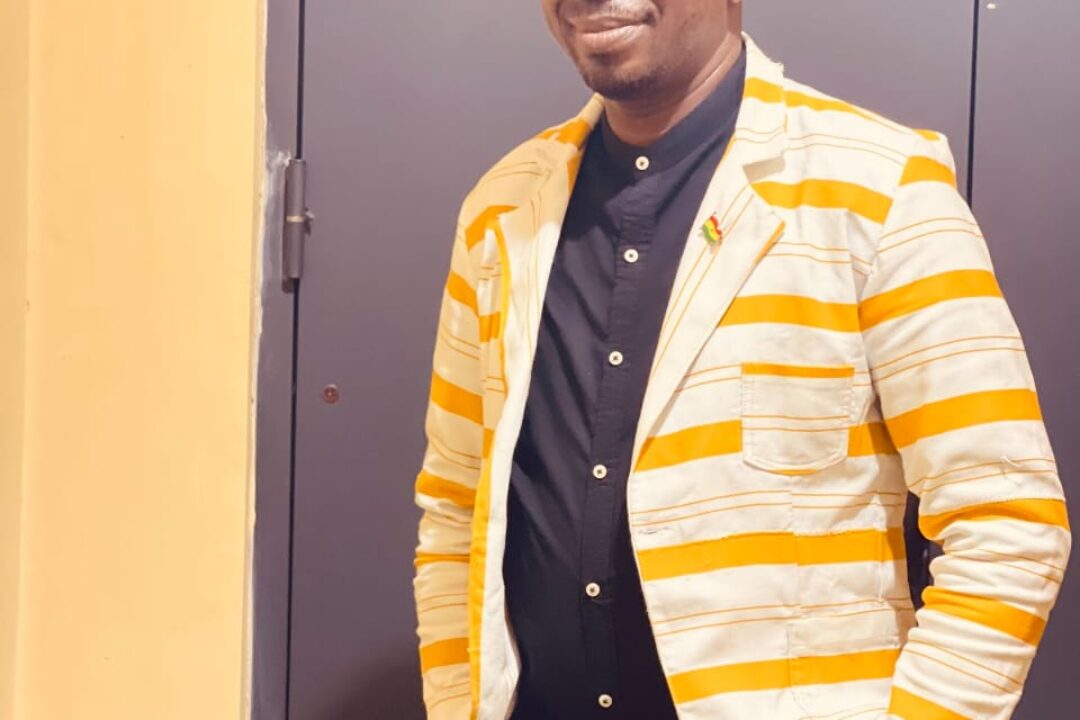
George Akom
The curriculum should also remain flexible enough to respond to changes in technology, the economy, the labour market and society. However, such changes should be based on evidence and educational needs rather than political convenience.
This is especially important in teaching history, government and civic education. Ghana’s political traditions have different interpretations of the country’s development. They may disagree over who deserves credit for particular policies, projects or achievements. Such disagreements are normal in a democracy, but the classroom should not become a political battlefield.
Students should be exposed to facts, evidence and different perspectives. They should learn about both the achievements and shortcomings of different governments and leaders. This will enable them to develop balanced views rather than simply inherit the political opinions of others.
The same principle should apply to educational policies. A policy should not be rejected simply because it was introduced by a political opponent, nor defended because it came from a preferred political side. The real question should be whether the policy works and benefits Ghanaian children.
Teachers also have an important responsibility. They should teach students about democracy, governance, elections, leadership and national development without turning the classroom into a campaign platform. There is a difference between teaching politics and teaching partisanship.
Teachers should create an environment where students can disagree respectfully, ask difficult questions and defend their views with evidence. This is how education can strengthen democratic culture rather than political division.

Another important issue is continuity. Governments may change, but a child’s education can span more than a decade. Educational reforms should therefore not be treated simply as the property of the government that introduced them. Good policies should be maintained and improved where necessary, while ineffective ones should be changed based on evidence.
Curriculum development should also involve teachers, academics, parents, employers, civil society and other relevant stakeholders. Political authorities can provide policy direction and resources, but curriculum decisions should remain professional, transparent and focused on the learner.
Ghana also needs to ensure that textbooks and other learning materials present national issues responsibly. Where issues are politically sensitive, students should be given enough context and different perspectives to enable them to form informed opinions.
The consequences of excessive political influence on education can extend beyond the classroom. Young people who are encouraged to accept political narratives without questioning them may become adults who struggle to distinguish facts from propaganda. They may defend political positions simply because they come from people they support.
Ghana needs citizens who can think beyond political labels, people who can recognise a good idea regardless of who presents it and acknowledge when their preferred political position is wrong.
The classroom should not produce political thinkers or political followers. It should produce Ghanaian citizens who can think independently, examine issues objectively, respect different views and contribute meaningfully to national development.
The classroom should not be a factory for political followers. It should be a place where independent minds are developed. Governments will change and political parties will come and go, but the minds shaped in our classrooms will determine Ghana’s future. Our curriculum must serve the nation, not partisan interests.
Author:
George Akom
Senior Assistant Registrar
Ghana Communication Technology University
+233243387291/kingakom77@gmail.com