Skip to content
Menu
Menu

Spotlight on Ghana’s robust timber-harvesting regulatory system towards preservation of our forests

By:Isaac Amoah

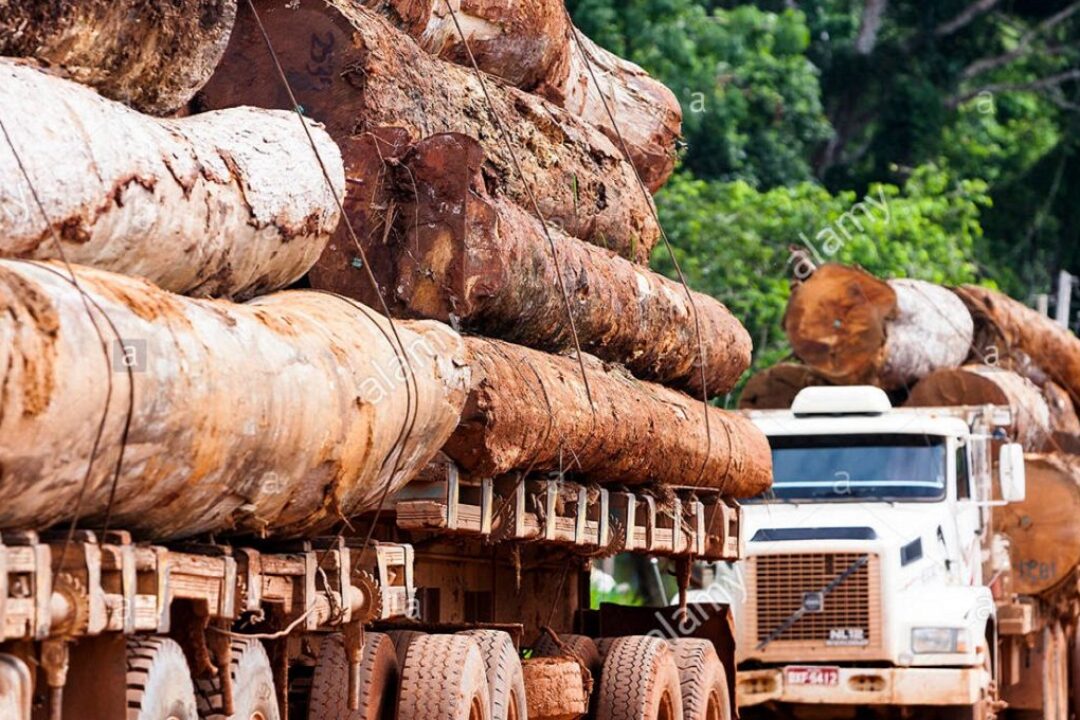
As part of efforts to regulate Ghana’s forest sector and protect the timber business in the country, the Forestry Commission of Ghana, with the support of several stakeholders, is implementing a robust timber-harvesting regulatory system.

The effort of Ghana’s Forestry Commission has been commended by several stakeholders, especially the Ghana Timber Millers Organisation (GTMO), which has called for the support of all to protect forests from illegal chainsaw operators and illegal mining.

Available data indicate that Ghana’s Forestry Commission (FC) launched its modernised timber-harvesting and regulatory system through the Ghana Legality Assurance System (GhLAS) and the Ghana Wood Tracking System (GWTS).


tntnewspapergh.com


File photo

This was developed in partnership with the European Union under the FLEGT-VPA (Forest Law Enforcement, Governance and Trade – Voluntary Partnership Agreement) to combat illegal logging.

The system overhauled how timber is controlled through the following mechanisms:


Legal Permitting: Harvesting rights are strictly regulated through Parliament-ratified Timber Utilization Contracts (TUCs) or administrative Salvage Permits issued by the FC.

The Ghana Wood Tracking System (GWTS):

The FC instituted a digitised track-and-trace system that monitors every log from the forest stump to the point of sale, ensuring it complies with national felling limits and environmental protection.

FLEGT Licensing: Once a consignment is verified through the GWTS to comply with all laws—including minimum felling diameters and quota limits—the FC issues a FLEGT Licence, granting legal entry into the EU and global markets.

Stakeholder Integration:

The regulatory framework mandates that logging companies negotiate Social Responsibility Agreements (SRAs) with local communities and enforces unprecedented public transparency regarding forest operations.

Dr. Kwame Asamoah Adam, Chief Executive Officer of Ghana Timber Millers Organisation (GTMO), said
his outfit was in support of the efforts being made by the Forestry Commission and all stakeholders in arresting the increasing rate of illegal timber trade and associated social disorders.

Dr. Kwame Asamoah Adam

According to him, Ghana has established a robust timber-harvesting regulatory system that has been recognised among the best in the tropical world.


“Unfortunately, over the past decade, some groups of people have been running down the system by forcibly and violently entering production forests and making away with huge volumes of valuable timber. These illegally sourced logs are further sawn in unregistered mills, and the lumber is smuggled into the supply chain, thus contaminating the market with illegal materials,” he pointed out.

Dr. Adam said the existence of the lucrative illegal lumber market is continuously fuelling illegal logging activities and destroying our forests at an unprecedented rate.

According to him, large tracts of forests in the Bono, Ahafo, and Western regions are now under siege.

It is an established fact that the illegal lumber from these areas is moving across the northern border into the Sahelian countries mainly through the Techiman-Tamale-Bolga-Paga route.

It is in this respect that the Forestry Commission (FC) is applying stricter control measures in these areas.

He, therefore, urged members of GTMO to strongly support the Forestry Commission in fighting this menace.

“GTMO is calling on all stakeholders, especially forest-owning communities, National House of Chiefs, environmental NGOs, Ministry of Trade and Industry, Ministry of Interior, consumers of timber and wood products to support the fight against illegal timber exploitation and trade,” he stressed.

He continued, “The development has become a national security issue that must be tackled with all seriousness. If this unfortunate development is not effectively controlled, genuine and legal timber businesses will collapse sooner or later, which will lead to massive job losses and a decline in foreign exchange earnings.”

He said the robust system being implemented by the Ghana Forestry Commission had been recognised as one of the best in the tropical world.

Dr. Adam said GTMO strongly endorses all earlier statements of condemnation by progressive-oriented organisations with regard to the barbaric attack on the Babatokuma Timber Monitoring Checkpoint of the Forestry Commission in the Bono East Region during which state property was destroyed, and staff of the Forestry Commission at work serving the good interest of Ghana were injured on Tuesday, 9 June 2026.

According to him, GTMO was shocked and disappointed by such an incident where members of a timber trade association could attack the staff of the Forestry Commission on an unsubstantiated allegation that the staff at the timber monitoring checkpoint are destroying their timber business.

The reasons for the destruction of the facility and the injury caused to the staff constitute a criminal offence, and the perpetrators must be fished out, arrested and put before court.

The actions of these timber traders are a blatant disregard for the laws of this country under democratic governance.

The timber industry and trade-in timber products in Ghana operate within a well-defined policy and legal framework that every timber trader is required to follow.

There are specified channels and laid-out procedures for seeking redress to all grievances in the timber trade.

The timber sector does not operate in isolation where jungle laws are permitted.

Over the past two decades, the Forestry Commission has been working in collaboration with timber trade associations (including GTMO at the forefront) to bring down the wanton destruction of timber production areas by illegal loggers and illegal timber traders.

One such intervention is the expansion of timber tracking and monitoring activities that require the installation of checkpoints.

At these designated checkpoints, the transporter of timber and wood products is required to provide specific documents to validate the original source of the raw material and to demonstrate compliance with specific regulations in the timber trade.

All legal timber operators have received training at numerous workshops on what to do and what not to do in the timber trade.

Every legal operator has also been made aware of all the necessary documentations required at every phase of the business.

Operators who provide the required documentation are permitted to move on to their destination markets.

Without holding brief for the perpetrators, it is a fact that most times vehicles spend long hours at the checkpoints waiting for clearance (due to the usual bureaucracies and logistical challenges).

However, situations like this can never warrant the destruction of state property and cause injury to innocent workers.

At the commencement of the expanded timber taskforce and monitoring programme, GTMO, which handles the largest volume of timber, also had some concerns, but the matter was approached in a business manner.

No serious business operator who wants to run a successful and sustainable business will ever think of seeking redress in the manner that was embarked on at Babatokuma.

GTMO is calling on all stakeholders, especially forest-owning communities, National House of Chiefs, environmental NGOs, Ministry of Trade and Industry, Ministry of Interior, consumers of timber and wood products to support the fight against illegal timber exploitation and trade.

The development has become a national security issue that must be tackled with all seriousness. If this unfortunate development is not effectively controlled, genuine and legal timber businesses will collapse sooner or later, which will lead to massive job losses and a decline in foreign exchange earnings.


Spotlight on Ghana’s robust timber-harvesting regulatory system towards preservation of our forests

By:Isaac Amoah

As part of efforts to regulate Ghana’s forest sector and protect the timber business in the country, the Forestry Commission of Ghana, with the support of several stakeholders, is implementing a robust timber-harvesting regulatory system.

The effort of Ghana’s Forestry Commission has been commended by several stakeholders, especially the Ghana Timber Millers Organisation (GTMO), which has called for the support of all to protect forests from illegal chainsaw operators and illegal mining.

Available data indicate that Ghana’s Forestry Commission (FC) launched its modernised timber-harvesting and regulatory system through the Ghana Legality Assurance System (GhLAS) and the Ghana Wood Tracking System (GWTS).


tntnewspapergh.com


File photo

This was developed in partnership with the European Union under the FLEGT-VPA (Forest Law Enforcement, Governance and Trade – Voluntary Partnership Agreement) to combat illegal logging.

The system overhauled how timber is controlled through the following mechanisms:


Legal Permitting: Harvesting rights are strictly regulated through Parliament-ratified Timber Utilization Contracts (TUCs) or administrative Salvage Permits issued by the FC.

The Ghana Wood Tracking System (GWTS):

The FC instituted a digitised track-and-trace system that monitors every log from the forest stump to the point of sale, ensuring it complies with national felling limits and environmental protection.

FLEGT Licensing: Once a consignment is verified through the GWTS to comply with all laws—including minimum felling diameters and quota limits—the FC issues a FLEGT Licence, granting legal entry into the EU and global markets.

Stakeholder Integration:

The regulatory framework mandates that logging companies negotiate Social Responsibility Agreements (SRAs) with local communities and enforces unprecedented public transparency regarding forest operations.

Dr. Kwame Asamoah Adam, Chief Executive Officer of Ghana Timber Millers Organisation (GTMO), said
his outfit was in support of the efforts being made by the Forestry Commission and all stakeholders in arresting the increasing rate of illegal timber trade and associated social disorders.

Dr. Kwame Asamoah Adam

According to him, Ghana has established a robust timber-harvesting regulatory system that has been recognised among the best in the tropical world.


“Unfortunately, over the past decade, some groups of people have been running down the system by forcibly and violently entering production forests and making away with huge volumes of valuable timber. These illegally sourced logs are further sawn in unregistered mills, and the lumber is smuggled into the supply chain, thus contaminating the market with illegal materials,” he pointed out.

Dr. Adam said the existence of the lucrative illegal lumber market is continuously fuelling illegal logging activities and destroying our forests at an unprecedented rate.

According to him, large tracts of forests in the Bono, Ahafo, and Western regions are now under siege.

It is an established fact that the illegal lumber from these areas is moving across the northern border into the Sahelian countries mainly through the Techiman-Tamale-Bolga-Paga route.

It is in this respect that the Forestry Commission (FC) is applying stricter control measures in these areas.

He, therefore, urged members of GTMO to strongly support the Forestry Commission in fighting this menace.

“GTMO is calling on all stakeholders, especially forest-owning communities, National House of Chiefs, environmental NGOs, Ministry of Trade and Industry, Ministry of Interior, consumers of timber and wood products to support the fight against illegal timber exploitation and trade,” he stressed.

He continued, “The development has become a national security issue that must be tackled with all seriousness. If this unfortunate development is not effectively controlled, genuine and legal timber businesses will collapse sooner or later, which will lead to massive job losses and a decline in foreign exchange earnings.”

He said the robust system being implemented by the Ghana Forestry Commission had been recognised as one of the best in the tropical world.

Dr. Adam said GTMO strongly endorses all earlier statements of condemnation by progressive-oriented organisations with regard to the barbaric attack on the Babatokuma Timber Monitoring Checkpoint of the Forestry Commission in the Bono East Region during which state property was destroyed, and staff of the Forestry Commission at work serving the good interest of Ghana were injured on Tuesday, 9 June 2026.

According to him, GTMO was shocked and disappointed by such an incident where members of a timber trade association could attack the staff of the Forestry Commission on an unsubstantiated allegation that the staff at the timber monitoring checkpoint are destroying their timber business.

The reasons for the destruction of the facility and the injury caused to the staff constitute a criminal offence, and the perpetrators must be fished out, arrested and put before court.

The actions of these timber traders are a blatant disregard for the laws of this country under democratic governance.

The timber industry and trade-in timber products in Ghana operate within a well-defined policy and legal framework that every timber trader is required to follow.

There are specified channels and laid-out procedures for seeking redress to all grievances in the timber trade.

The timber sector does not operate in isolation where jungle laws are permitted.

Over the past two decades, the Forestry Commission has been working in collaboration with timber trade associations (including GTMO at the forefront) to bring down the wanton destruction of timber production areas by illegal loggers and illegal timber traders.

One such intervention is the expansion of timber tracking and monitoring activities that require the installation of checkpoints.

At these designated checkpoints, the transporter of timber and wood products is required to provide specific documents to validate the original source of the raw material and to demonstrate compliance with specific regulations in the timber trade.

All legal timber operators have received training at numerous workshops on what to do and what not to do in the timber trade.

Every legal operator has also been made aware of all the necessary documentations required at every phase of the business.

Operators who provide the required documentation are permitted to move on to their destination markets.

Without holding brief for the perpetrators, it is a fact that most times vehicles spend long hours at the checkpoints waiting for clearance (due to the usual bureaucracies and logistical challenges).

However, situations like this can never warrant the destruction of state property and cause injury to innocent workers.

At the commencement of the expanded timber taskforce and monitoring programme, GTMO, which handles the largest volume of timber, also had some concerns, but the matter was approached in a business manner.

No serious business operator who wants to run a successful and sustainable business will ever think of seeking redress in the manner that was embarked on at Babatokuma.

GTMO is calling on all stakeholders, especially forest-owning communities, National House of Chiefs, environmental NGOs, Ministry of Trade and Industry, Ministry of Interior, consumers of timber and wood products to support the fight against illegal timber exploitation and trade.

The development has become a national security issue that must be tackled with all seriousness. If this unfortunate development is not effectively controlled, genuine and legal timber businesses will collapse sooner or later, which will lead to massive job losses and a decline in foreign exchange earnings.




Related Stories
Popular Stories